



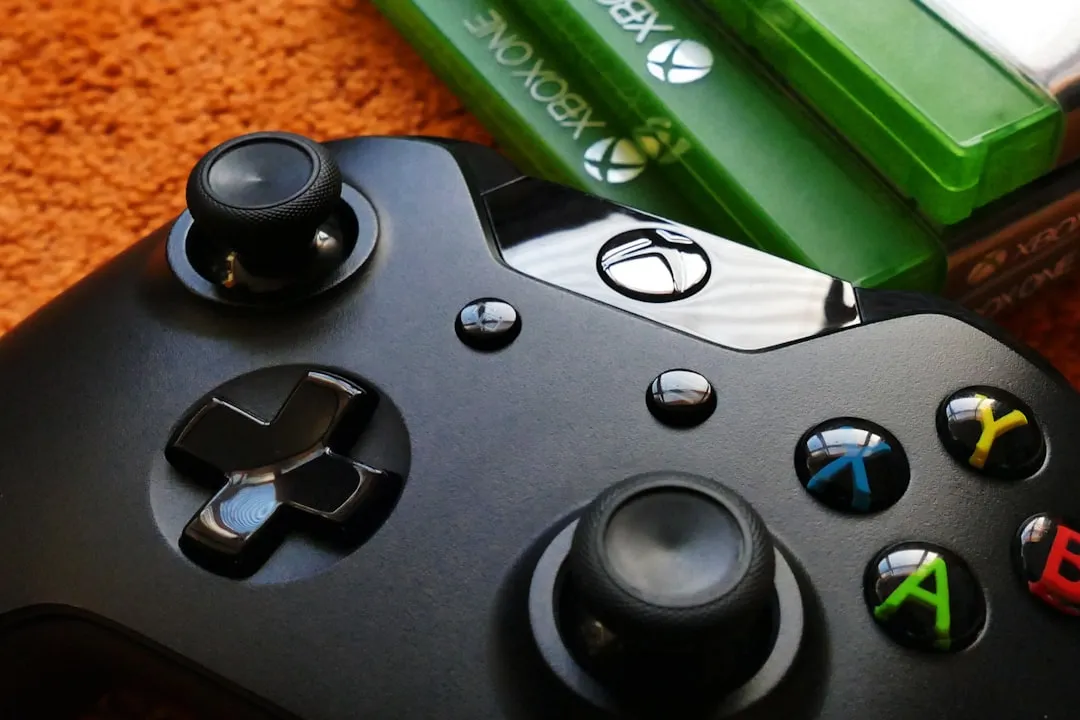
Here's what you need to know about Microsoft's latest Xbox mobile update—it's the comprehensive store experience that Xbox users have been requesting for years. The company is now rolling out full storefront functionality and wishlist support directly within the Android app, representing a fundamental shift in how Microsoft approaches mobile gaming commerce rather than just another incremental feature addition.
Microsoft is currently testing these features through the Xbox Beta app on Android, with broader availability expected soon. This development comes at a pivotal moment as mobile gaming increasingly becomes the primary touchpoint for discovering and purchasing games—a trend Microsoft couldn't afford to ignore any longer.
For context, Microsoft did enable basic purchasing capabilities within the Xbox app earlier this year, but those features required web redirects that completely disrupted the user experience. You'd start shopping in the app, get bounced to a web page, complete your purchase there, then hope everything synced back properly. This latest update eliminates those friction points entirely, creating a seamless mobile storefront that matches the sophistication users expect from modern app experiences.
What's actually new in the Xbox mobile store?
The updated Xbox app introduces a dedicated store section accessible through a new shopping bag icon in the main navigation. Microsoft has built a comprehensive shopping experience that lets you browse and purchase games, downloadable content, and bundles without ever leaving the app—addressing the fundamental problem that mobile users often abandon purchases when forced to navigate external workflows.
The store features sophisticated filtering options that cover player count, genres, and gaming capabilities, making it genuinely useful for discovering relevant content based on your specific gaming preferences and device capabilities. You can now examine different game editions, compare add-ons, and access complete game pages without being redirected to external web browsers.
Microsoft's design approach reflects a deeper understanding of cross-platform user behavior. The new store layout closely mirrors the console store, which means users can leverage their existing muscle memory from console browsing when shopping on mobile. This consistency reduces the cognitive load of learning different interface patterns and creates a more intuitive shopping experience across Microsoft's gaming ecosystem.
This unified approach directly addresses one of the biggest user complaints about the previous Xbox mobile experience—the jarring interface inconsistencies that made it feel like separate products rather than components of a cohesive platform. Now when you transition between mobile and console shopping, the familiar layout reduces friction and builds confidence in the purchasing process.
How wishlist sync changes the mobile gaming experience
The introduction of wishlist functionality addresses a gap that has frustrated Xbox mobile users for years. Previously, wishlist management was only possible on console or through the web, creating these irritating workflow interruptions that broke the natural game discovery process.
Consider this common scenario: you're commuting, listening to a gaming podcast, hear about an interesting title, and want to add it to your wishlist for later consideration. Previously, you'd have to remember to do this later when you got home to your console—a friction point that often resulted in lost purchase intent and missed discovery opportunities.
Microsoft's implementation ensures that wishlists created on mobile sync instantly across all Xbox platforms, including consoles and the Xbox website. This cross-platform synchronization transforms how users approach game discovery by eliminating the artificial barriers between different touchpoints in their gaming journey.
The broader implication extends beyond convenience—it enables Microsoft to capture game discovery moments that happen throughout users' daily lives, not just during dedicated gaming sessions. This shift could significantly impact how users build their game libraries, potentially increasing overall purchase frequency by reducing the friction between interest and action.
Why this update took so long to arrive
Understanding the timeline behind this update reveals complex regulatory battles that have shaped the mobile gaming landscape. Xbox President Sarah Bond first announced these features in May 2024, but implementation faced significant delays due to mobile platform policies that effectively blocked Microsoft's preferred user experience.
The primary obstacle involved Apple and Google policies that restricted in-app purchases for cloud-playable games, forcing Microsoft to make fundamental architectural compromises. They had to remove cloud gaming from the main Xbox app and create a separate cloud streaming application just to comply with platform requirements—a decision that fragmented their user experience precisely when competitors were building more integrated solutions.
These delays had competitive consequences. While Microsoft navigated regulatory constraints, competitors advanced their mobile strategies and captured user attention in the rapidly growing mobile gaming market. Microsoft filed legal briefs supporting Epic Games in their legal battles against Apple, arguing that platform policies were hindering consumer choice and innovation in mobile gaming commerce.
The company specifically wanted to implement link-out payment systems but was blocked by anti-steering policies that prevented directing users to alternative payment methods. From Microsoft's perspective, platform holders were making comprehensive mobile gaming experiences economically unfeasible through restrictive fees and technical limitations.
What this means for Xbox's mobile strategy
This store update represents a crucial foundation for Microsoft's broader vision of positioning Xbox as a platform-agnostic gaming service. The company recently launched its "This is an Xbox" marketing campaign, encouraging users to think of phones, tablets, and other devices as legitimate Xbox gaming platforms—a fundamental shift from the traditional console-centric approach.
The timing connects directly to Microsoft's long-term goal of building a comprehensive Xbox mobile store, leveraging assets from their massive $68.7 billion Activision Blizzard acquisition. Popular mobile franchises like Call of Duty and Candy Crush provide Microsoft with proven user acquisition engines that could drive adoption of their mobile ecosystem and reduce dependence on traditional app stores.
This strategy addresses a critical weakness in Microsoft's competitive position. While competitors built strong mobile gaming relationships, Microsoft was constrained by regulatory battles and architectural compromises. Now they can begin converting mobile users into Xbox ecosystem participants, potentially capturing revenue that previously flowed through Google and Apple's platforms.
Currently, these features are only available through the Xbox Beta app on Android, with iOS availability expected in the future. Microsoft hasn't provided specific rollout timelines, suggesting they're taking a measured approach to ensure stability and regulatory compliance while gathering user feedback from beta testing.
Where Xbox mobile gaming goes from here
The introduction of full store and wishlist functionality establishes the foundation Microsoft needs for comprehensive mobile gaming integration. This update positions the Xbox app as a true mobile counterpart to the console experience, eliminating the artificial barriers that previously forced users to switch between multiple platforms for basic gaming tasks.
Early user feedback from beta testing suggests the app now feels significantly faster and more responsive, addressing long-standing performance concerns that deterred mobile adoption. This improvement, combined with the new store functionality, creates a compelling mobile gaming experience that could attract users who previously avoided the Xbox app due to its limitations.
The success of these features will influence Microsoft's broader mobile strategy as they continue navigating complex relationships with platform holders like Google and Apple. Microsoft is currently testing these capabilities without confirmed timelines for full deployment, indicating they're prioritizing stability and compliance over rapid expansion.
For Xbox users, this update finally delivers the integrated mobile experience that modern gaming ecosystems require—one where discovering, purchasing, and managing games feels as natural on mobile as it does on console. It represents Microsoft's recognition that mobile isn't just another gaming platform, but increasingly the primary interface through which users interact with gaming content throughout their daily lives.






Comments
Be the first, drop a comment!