



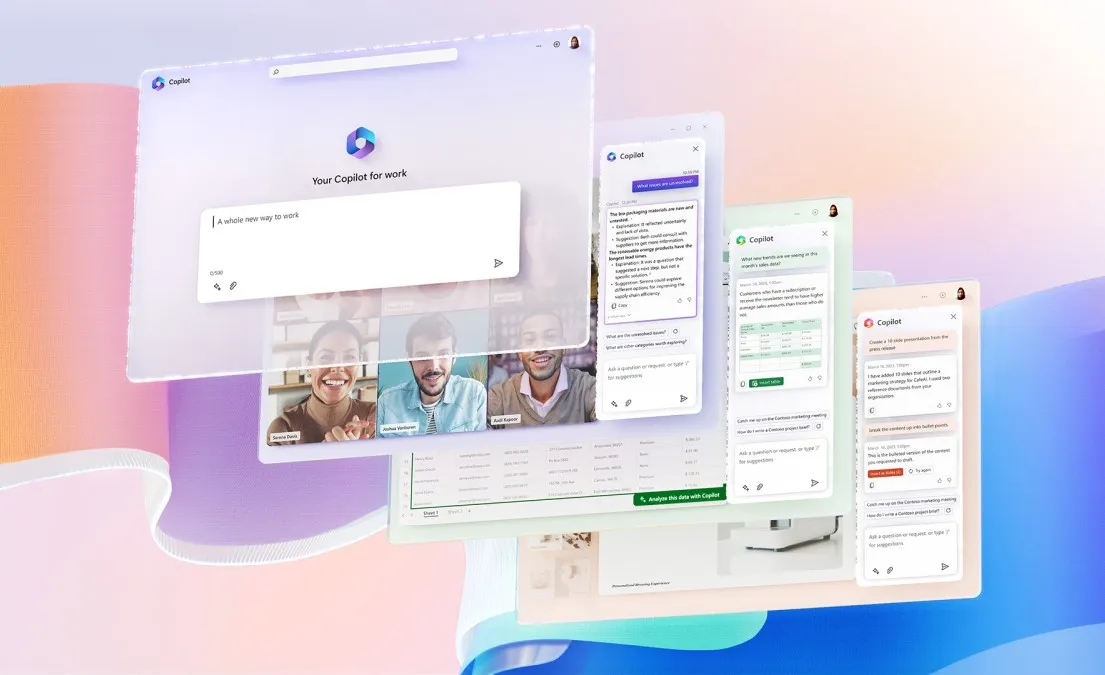
Is Microsoft Copilot becoming an operating system, or is Microsoft just borrowing OS-like language for a new layer of AI tools? The company has started describing its overhauled Copilot as a unified "AI workspace" that routes chat, coding, and autonomous agent work through one system. That framing sounds like Microsoft Copilot as an operating system in the making, but it's not the same as replacing Windows, and the gap between the two matters if you're wondering whether your Windows 11 PC is about to change.
The reports do not describe Copilot as a new operating system anywhere, in Microsoft's own release notes or in the coverage built on them. At present, the language only describes orchestration, an internal system for routing tasks between AI tools, not a product that swaps in for Windows. InfoWorld reported last week on the Copilot overhaul. Earlier this year, PCWorld reported that Microsoft was pulling planned Copilot integrations back out of Windows 11 after user pushback.
Who can access the new Copilot right now
During a July earnings call, CEO Satya Nadella described a redesigned Copilot that folds chat, an autonomous agent called Cowork, a coding environment called Code, and a persistent agent called Autopilot into one system, keeping orchestration, context, and memory separate from any single AI model. That's the "AI workspace" pitch, and it's aimed at Microsoft 365 business tenants, not home users.
The rollout schedule backs that up. Fabric IQ's integration with Chat and Cowork is generally available now, but InfoWorld reported last week that Work IQ entered public preview on September 30, with rollout continuing through October, and that the new Copilot Managed Runtime, the governed hosting environment for AI-built apps, was in preview. Microsoft separately said Code would reach broader availability in the coming weeks.
Copilot+ PC owners get a separate, smaller, and already-real slice of this story. Microsoft's own support documentation confirms these specific devices run AI components locally through a dedicated Neural Processing Unit, including a compact language model called Phi Silica, and that these components are updated independently from the rest of Windows. That's documented for Copilot+ hardware specifically, not standard Windows 11 PCs generally, so check your device's specs before assuming any of it applies to you.
Ordinary Windows 11 users on standard hardware and personal Microsoft accounts are the group least affected right now. Windows Central reporting, relayed by PCWorld, described Microsoft shelving plans to embed Copilot into notifications and Settings after users pushed back, reversing an earlier promise that every Windows 11 PC would effectively be an AI PC. A Microsoft spokesperson quoted in that piece didn't confirm the reversal by name, only that previewed features "may change, be removed, or be replaced" as feedback comes in.
Why Microsoft's language sounds like an operating system
Picture the workflow Microsoft is building toward: instead of opening a specific app, an employee types a goal into a new Copilot Home screen, and Copilot routes the request to Chat, Cowork, or Code depending on what's needed, with Fabric IQ and Work IQ supplying company context and IT retaining control over what data the agent can touch. InfoWorld reported last week that Home would begin rolling out through Microsoft's Frontier preview program in the coming weeks.
That routing layer is why "operating system" gets used as shorthand, but the more concrete change for work-account users is billing. Chat and Microsoft 365 Copilot stay covered under existing subscriptions, while Cowork, Code, Autopilot, and frontier-model usage move to metered, usage-based billing, with spending policies that let administrators cap costs, control access to model families, and route approvals through existing workflows (InfoWorld). Practically, that means some agent and model usage may follow different billing and approval rules than ordinary Copilot chat, worth confirming with IT before assuming a feature is free to use.
There's a governance angle worth flagging too. Fabric IQ, Work IQ, and Copilot Managed Runtime all revolve around feeding Copilot organizational context and live company data, with access controls managed by IT. General availability of a component doesn't mean every employee or every agent automatically gets access to every data source.
None of this is finished. Work IQ is still rolling out in public preview, while Copilot Managed Runtime remains in preview as of last week's reporting, so the practical experience for most enterprise customers right now looks more like a staged rollout than a finished platform.
Is Copilot replacing Windows? What's confirmed and what's still a report
What's actually documented: Copilot+ PCs run independently serviced AI components, including Phi Silica, locally through NPU hardware, which reduces cloud dependency and keeps some processing on-device, and Microsoft services these models separately from core Windows updates. That's real today, scoped to a specific device class, not to every Windows 11 machine.
Beyond that, a single research report describes Microsoft repositioning Windows itself as an "agent runtime" at its Build 2026 conference, including a Windows Agent Runtime service and an Agent 365 enterprise control plane for managing AI agents at scale.
The consumer-facing signal points the other direction. PCWorld reported that Microsoft's 2026 messaging shifted toward downplaying "Copilot for Copilot's sake" in favor of core OS performance and gaming, repositioning Copilot+ PCs around gaming and core Windows performance rather than AI features alone.
What to check before you assume anything changed
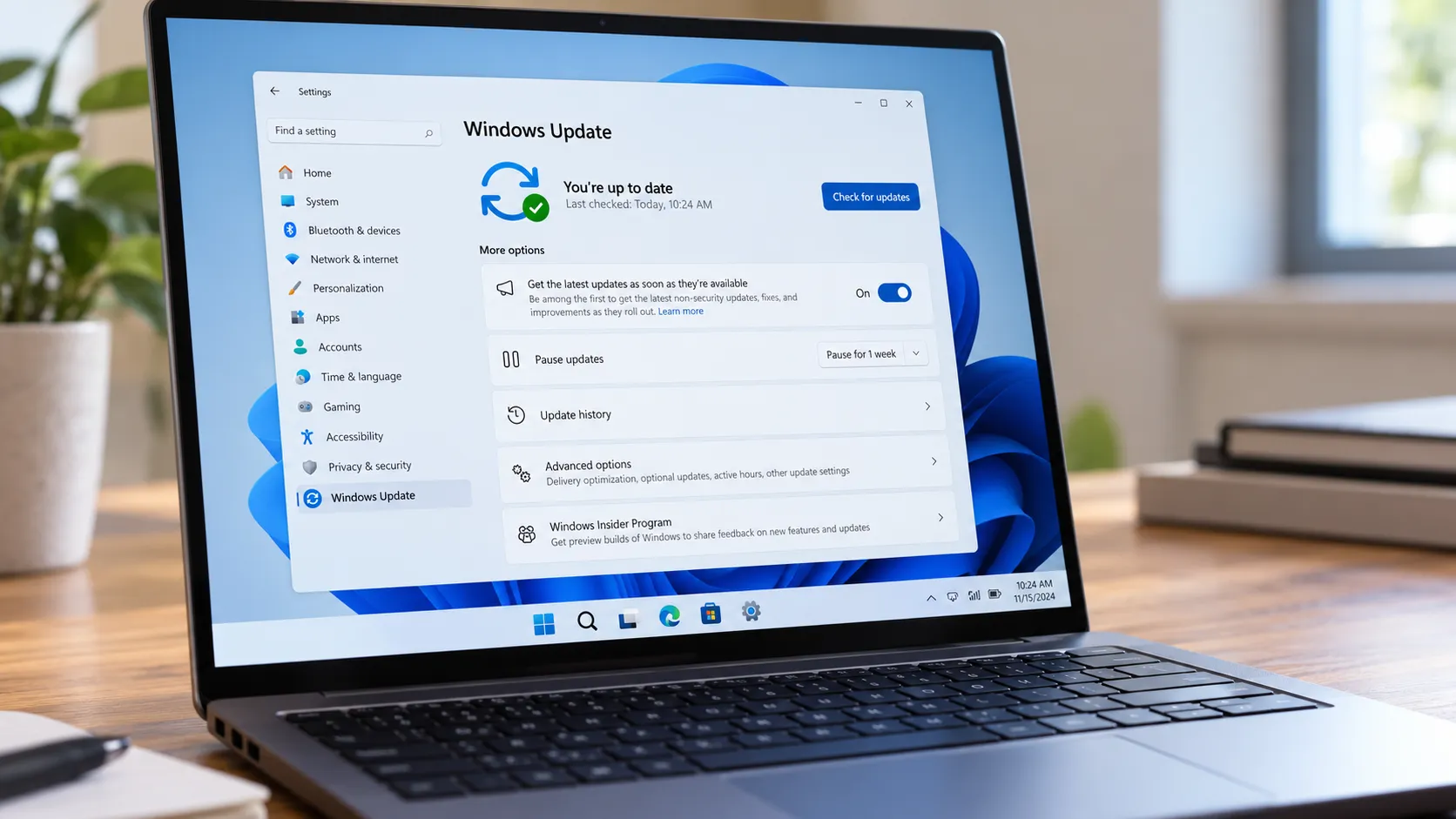
If you use Copilot through a personal Microsoft account, the cited rollout does not establish a new agent-driven shell for personal accounts or standard Windows hardware. Check Windows Update and Microsoft's own release notes before acting on third-party leak coverage.
If you own a Copilot+ PC, don't assume every AI feature applies to your specific model. These components are hardware-gated and serviced independently of standard Windows updates, so watch Windows Update for AI-related updates tied to your device rather than assuming a universal rollout.
If you or your organization run Microsoft 365 on a work account, confirm whether a specific Copilot capability is generally available, Frontier-only, or still in preview before budgeting around it or promising it to end users. Work IQ and broader Copilot Managed Runtime availability were explicitly incomplete as of last week's reporting.
What to do now
Personal Windows 11 users can skip the "new OS" headlines and keep using their PC as normal. Copilot+ PC owners should check Windows Update to see which AI components their specific device actually supports rather than assuming they all apply. Microsoft 365 work-account users and IT admins should confirm preview status, licensing tier, and data-access controls before relying on any orchestration feature in production, and treat detailed claims about a rebuilt "Windows Agent Runtime" as unconfirmed until Microsoft's own documentation says otherwise.



Comments
Be the first, drop a comment!