



![Microsoft Office Home & Business 2024 | Classic Desktop Apps: Word, Excel, PowerPoint, Outlook and OneNote | One-Time Purchase for 1 PC/MAC | Instant Download [PC/Mac Online Code]](https://m.media-amazon.com/images/I/5142rSuCQ-L._AC_UY218_.jpg)


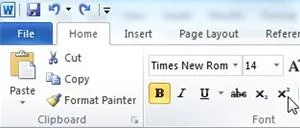
Microsoft is turning predictive text off by default in Word and Outlook, changing the default for a feature it began rolling out across its productivity apps in 2020.
The feature isn't going away. Starting with specific app builds, people who want text predictions will need to turn them on themselves instead of switching them off, according to BetaNews and The Register.
The change applies to Word for Windows, the web, Android, and iOS, plus classic Outlook for Windows and Outlook for Mac. New Outlook for Windows and Outlook on the web aren't named in Microsoft's list of apps getting the new default, although both continue to support text predictions and provide their own controls for the feature.
Microsoft hasn't published one general rollout date. Additional timing will appear through the Microsoft 365 Admin Center and release notes, Computerworld reports. Having a qualifying app build doesn't necessarily mean the switch has already reached every account.
The rollout breaks down like this:
Getting predictions off by default: Word for Windows, web, Android, and iOS; classic Outlook for Windows; Outlook for Mac
Not named in this default-setting change: New Outlook for Windows and Outlook on the web
Already off by default in some cases: Some Outlook for Android and iOS experiences
Which builds actually trigger the new default
Microsoft's text predictions suggest words or phrases based on what you're typing. Suggestions appear as grayed-out text, and supported desktop versions let you accept them with Tab or the right-arrow key.
Microsoft lists these versions for the off-by-default rollout:
Word for Windows: Version 2609 (Build 20430.20000) or later
Word for the web: No published version threshold
Word for Android: Build 16.0.20326.20000 or later
Word for iOS: Version 2.112 (Build 26080127) or later
Classic Outlook for Windows: Version 2608 (Build 20329.20000) or later
Outlook for Mac: Version 16.113 (Build 26080119) or later
Word for the web is included in the change, but Microsoft hasn't attached a numbered build threshold to the browser version.
Some Outlook for Android and iOS experiences already have predictions disabled by default, so those users may not notice a change.
The build numbers tell you whether your version falls within Microsoft's rollout range, not whether predictions are currently enabled on your particular account. A manually changed preference can still leave the feature on or off regardless of the default.
Why Microsoft is flipping the switch
Microsoft says the change is intended to give users more control over whether suggestions appear while they type.
The company said it is "making an update to the default text predictions experience in Microsoft Word and Microsoft Outlook, giving you more control over whether you receive suggestions as you type," BetaNews reports.
Microsoft says some people find the feature useful while others prefer writing without predictive suggestions. Turning predictions off by default keeps the feature available while reducing unwanted interruptions for people who don't want it.
The company also says the change creates a more consistent, user-controlled experience across Microsoft 365 applications, particularly because some Outlook mobile experiences already start with predictions disabled.
Microsoft hasn't said whether telemetry, user complaints, or another specific signal prompted the reversal. Google took a different approach when it introduced Smart Compose in Gmail in 2018, making predictive writing a central part of its email experience.
Microsoft Word and Outlook predictive text turned off by default: how to re-enable it
Where the control lives depends on the app.
Classic Outlook for Windows: Go to File > Options > Mail, then enable Show text predictions while typing. Microsoft documents the same path in its Outlook text-predictions support page.
New Outlook for Windows: Go to Settings > Mail > Smart suggestions, then enable text predictions. New Outlook isn't named in Microsoft's off-by-default rollout, but the control remains available.
Outlook on the web: Go to Settings > Mail > Compose and reply, then enable Suggest words or phrases as I type. Outlook on the web also isn't named in this particular default-setting change.
Word for Windows: Click Text Predictions on the status bar and enable Show text predictions while typing, as described in Microsoft's Word support documentation.
Word for the web: Use Text Predictions on the status bar and enable Suggest words or phrases as I type.
Word for Android and iOS: Open Settings and look for Text Predictions, then turn the feature on.
Outlook for Mac: Go to Settings > Spelling & Typing and enable Show Text Predictions, according to Microsoft's Outlook for Mac instructions.
Once predictions are enabled, the underlying feature continues to work as before. Suggestions appear while you type and can be accepted or ignored without changing the text-prediction system itself.
What happens to existing text-prediction settings
Microsoft hasn't said whether the new default will switch predictions off for people who already have them enabled or whether it primarily affects fresh installs, new profiles, and accounts that haven't changed the setting.
That distinction matters for anyone who relies on predictive text every day. Updating to one of the listed builds establishes that the app is within Microsoft's rollout range, but it doesn't guarantee that an existing preference will be reset.
Microsoft says predictive text will remain available throughout the affected apps. The change is to the default state, not the feature's existence.
After Word or Outlook updates to one of the listed versions, check the Text Predictions setting if the suggestions matter to your workflow. Existing preferences may remain intact, but Microsoft hasn't yet documented how every previously configured account will behave during the rollout.


Comments
Be the first, drop a comment!