



Microsoft Drops Copilot+ PC Branding on New Surface Devices
Microsoft drops Copilot+ PC branding from its newest Surface hardware, even though those machines still meet every technical requirement the label was built around. Surface CVP Brett Ostrum confirmed the change directly to Windows Central this week: "These are not called Copilot+ PCs." The devices affected are Microsoft's newest Surface Pro and Surface Laptop, both of which still qualify under the original Copilot+ specification bar despite losing the name.
Ostrum told Windows Central the hardware "do meet all the requirements of our previous bar for what Copilot+ devices are," a detail Heise also confirmed independently. That distinction matters: this looks like a marketing decision, not a feature rollback. Current Surface owners and anyone comparing Windows AI laptops right now should treat it that way before assuming a missing sticker means missing capability.
Microsoft isn't the only one walking away from the term. NVIDIA's upcoming RTX Spark platform meets the same Copilot+ spec bar and skips the branding entirely, Windows Central reports. Qualcomm, the chipmaker that helped launch the category in 2024, expects the name to keep fading even as the performance floor underneath it stays intact.
Why Microsoft is quietly retiring the Copilot+ label
Microsoft and Qualcomm introduced Copilot+ PC in 2024 as a new tier of AI-first Windows hardware, gating certain features behind system requirements that ordinary laptops couldn't hit, according to Windows Central. The pitch was simple: buy into the label, get access to on-device AI nothing else could run.
The launch didn't go smoothly. Recall, the category's headline feature, drew immediate backlash from security researchers who flagged it as insecure, and Microsoft delayed it, effectively shipping the entire Copilot+ tier without the experience it had been built around, per Windows Central.
Windows Central calls the brand "tarnished" as a result, noting that PC makers have spent the past two years quietly dropping the name from their own marketing. Heise reports the same pattern independently. Neither outlet has Microsoft on record citing Recall as the reason for dropping the label, and no source ties the two together directly. The timing makes the connection tempting, but it stays a plausible read, not a confirmed explanation.
Which Surface devices lose the name, and what they still do
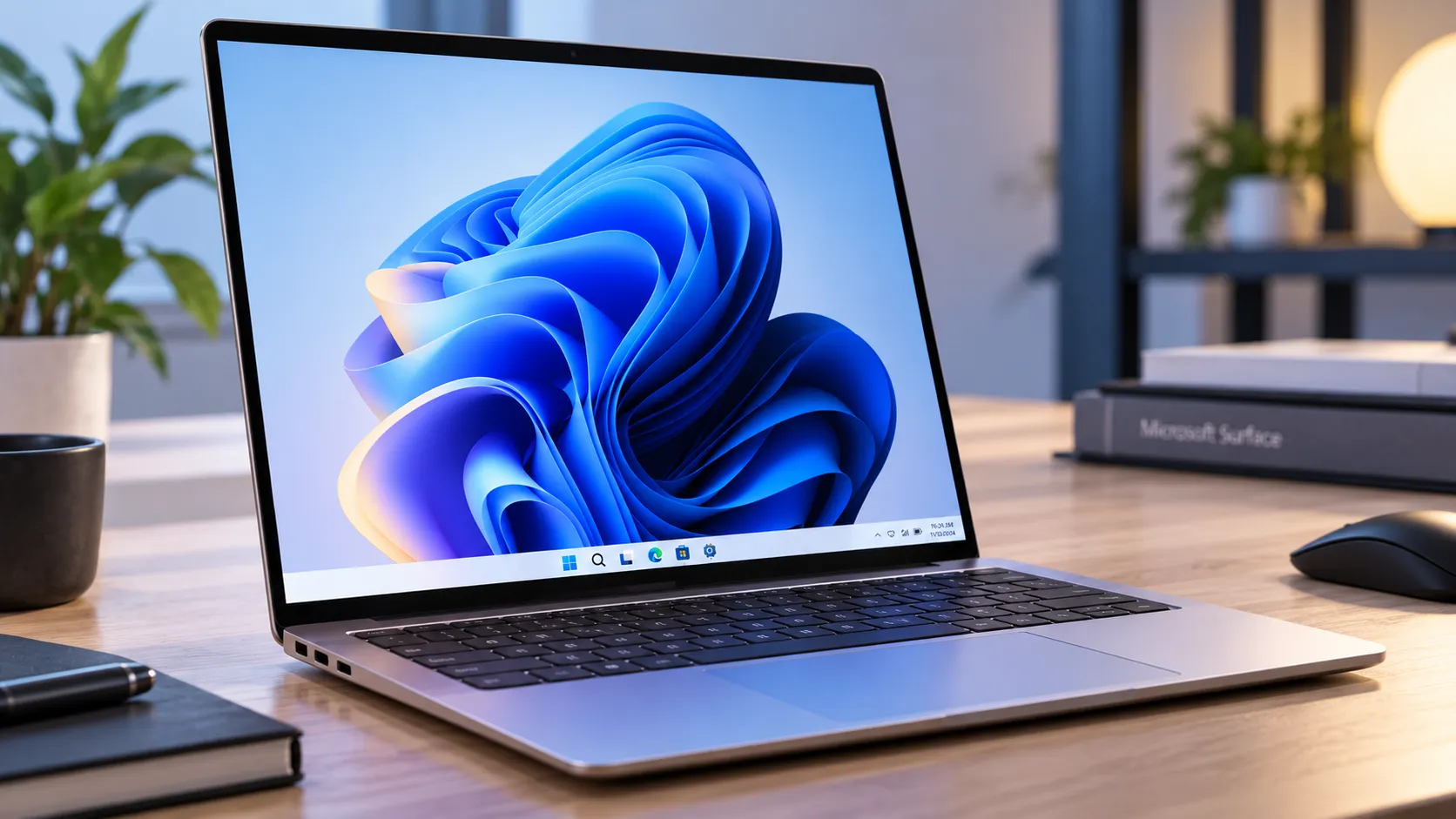
The two models affected are Microsoft's newest Surface Pro and Surface Laptop, both of which technically satisfy Copilot+ requirements but now ship without the badge, The Verge reports. Both run Snapdragon X Plus processors with 45 TOPS NPUs, well above the 40 TOPS minimum Microsoft originally set for the category, and both still carry the physical Copilot key on the keyboard, according to Microsoft's own announcement from last year.
Microsoft's current Surface marketing page ties its on-device AI perks to memory configuration rather than a badge. Devices with 16GB or more RAM get access to features like Live Captions with real-time translation, according to Microsoft. Separately, Microsoft's launch announcement for the Surface Pro and Surface Laptop lists Photos Relight, an AI relighting tool for photos, as one of the experiences those Copilot+ PC configurations unlock.
That split matters for anyone shopping right now. NPU rating and RAM are a starting point, not the full eligibility test. Feature access can still hinge on Windows version, regional rollout, and requirements tied to individual apps, all of which Microsoft manages separately from the raw hardware spec. Checking the chip and memory tells a buyer whether a machine can run these features. It doesn't guarantee every feature is switched on for that person's account, region, or Windows build today.
What the rebrand signals for Windows AI going forward
Qualcomm SVP of compute and gaming Kedar Kondap told Windows Central the Copilot+ label was always meant to mark a performance bar, something around a 45 TOPS NPU as an example, rather than serve as a permanent product name. He expects devices offering the same experiences to "probably" drop the term going forward even as the underlying capability sticks around.
Ostrum echoed that framing in his own conversation with Windows Central, saying Microsoft still leans into "AI on the edge" and a "hybrid solution," language that points toward a broader AI story for Windows rather than one flagship hardware badge, per Heise.
There's a hardware angle behind the branding shift too. The Verge reports that Microsoft's flagship hardware may move toward NVIDIA chips, a shift the outlet frames as the start of a new era for personal AI on Windows. That's a "may," not a confirmed roadmap, and Microsoft hasn't put out anything to formally back it up yet.
What's genuinely unclear is whether Copilot+ eligibility itself is changing under whatever name comes next. Microsoft has already started softening the language in its developer SDK tied to the Copilot+ designation, Heise notes, which suggests the framework underneath the brand may be shifting alongside the name. Microsoft hasn't published updated specification documentation, though, so there's no way yet to say whether a future bar will be higher, lower, or simply renamed.
What to watch before Microsoft's October 7 event
Microsoft is hosting a Surface and Windows event on October 7, 2026, built around what the company describes as a conversation on how local AI will shape the next chapter of the PC, according to both The Verge and Heise. The Verge speculates Microsoft could reveal a new brand name at that event to replace Copilot+ PC, but that's the outlet's own guess based on timing, not something Microsoft has confirmed.
Anyone weighing a Surface purchase between now and then shouldn't wait on a name to decide. Compare the processor, NPU rating, memory configuration, and Windows version instead, and check which AI features Microsoft actually lists for that specific configuration rather than hunting for a Copilot+ sticker that may not show up anymore. If a new brand does surface on October 7, treat it as a marketing update until Microsoft publishes hardware requirements to match it. A fresh name alone won't say what changed under the hood, and until the specification documentation catches up, the safest move is checking the chip and the feature list, not the label on the box.


Comments
Be the first, drop a comment!