



Most people who see the word "Pro" attached to a piece of software assume it means faster, better, or more capable in some general sense. Run that logic on Windows 11 Home vs Pro, and it falls apart fast. The two editions are, in Engadget's words, "extremely similar," and the gap between them has nothing to do with speed, gaming performance, or day-to-day polish.
The price gap, however, is real. A standalone Home license runs $139.99, while Pro costs $199.99, a $60 difference. If you've already got Home installed and want to upgrade in place, Microsoft charges $99.99 through the Store.
Here's the plain-language version: Windows 11 Home and Pro run the same operating system with the same core experience. Pro simply unlocks a handful of tools for encryption management, remote access, virtualization, and connecting a PC to a company's managed network.
This piece breaks down what actually separates Windows 11 Home vs Pro, who genuinely benefits from paying more, and how the upgrade cost shifts depending on whether you're buying a new PC, building your own, or carrying over a license from Windows 10.
What is the difference between Windows 11 Home and Pro?
Both editions ship with the exact same headline consumer features. That includes Copilot, Snap Layouts, File Explorer tabs, Live Captions, native passkey support, the widgets panel, and gaming enhancements like Auto HDR and DirectStorage. If you're judging Windows 11 by the interface or the apps you touch every day, there's nothing to compare.
The differences live in a specific set of Pro-exclusive tools: domain join, Azure Active Directory (now called Entra ID) connectivity, BitLocker encryption, a Private Catalog for company apps, Hyper-V virtualization, and the ability to host Remote Desktop connections.
Pro also supports dramatically more system memory, up to 2TB of RAM compared to Home's 128GB ceiling. That 2TB figure is built for firms running virtual machines, AI data centers, or advanced 3D rendering, not for anyone reading this on a laptop.
Think of Home and Pro as the same car with the same engine. Pro just adds a locking toolbox in the trunk and a hitch for towing, useful if you actually need to tow something, irrelevant if you don't.
Windows 11 Home vs Pro features compared: what Pro actually adds
Break the Pro toolkit into practical categories, and the picture gets clearer. Each feature solves a specific, narrow problem rather than improving the operating system broadly.
Remote access works in one direction on Home. It can connect out to other PCs using Remote Desktop, but it cannot accept incoming connections. Only Pro can act as a Remote Desktop host, meaning nobody can remote into a Home machine even with the right credentials.
Virtualization and testing get two dedicated tools on Pro. Hyper-V lets you run virtual machines, including Linux, directly on the PC. Windows Sandbox spins up a disposable, isolated Windows environment in about 30 seconds, useful for testing unfamiliar software without risking the main system.
Encryption exists on both editions, but the underlying protection isn't equivalent. Home's built-in Device Encryption requires a Microsoft account, won't work with a local account, and uses XTS-AES 128-bit by default with no PowerShell management and no recovery-key escrow beyond a personal Microsoft account. Pro's full BitLocker tools let administrators choose supported encryption methods, including XTS-AES 128 or 256 standard, can be scripted through PowerShell, and lets an administrator escrow recovery keys to a company's Entra ID, an Active Directory setup, or a third-party vault, encrypting each drive on the machine separately.
Organizational connection is where Home hits a hard wall. It cannot join an Entra ID tenant, cannot join an Active Directory domain, and cannot join Microsoft Entra ID, and has substantially more limited Intune and enterprise-management support than Pro.
In practice, joining Entra ID or enrolling in Intune lets a company's IT staff reset a forgotten password, push a security update, or wipe a lost laptop remotely, without touching the machine. Home can't do any of that, and Rainier IT estimates that cleaning up after an employee leaves without centralized identity controls in place, resetting per-app passwords and re-papering file-share permissions, can cost $500 to $3,000 on its own.
None of this changes how the operating system feels to use day-to-day. Both editions perform identically in booting, gaming, and everyday desktop navigation. What you're buying with Pro is a specialized toolkit, not a performance tier.
Choosing between Home and Pro: a quick reference
Choose Windows 11 Home if:
You browse, game, stream, or do light photo and video editing.
Your employer does not require domain joining or Intune enrollment.
You do not run virtual machines or need an isolated testing environment.
You are managing one personal device.
Choose Windows 11 Pro if:
You need to host incoming Remote Desktop connections.
You want administrator-grade BitLocker controls, including PowerShell management and Entra ID or Active Directory key escrow.
You run Hyper-V virtual machines or use Windows Sandbox.
You need to join a company domain or Microsoft Entra ID tenant, or enroll the device in Intune.
That table condenses the logic covered above. If none of the right-hand items describe your situation, there's little reason to look further.
Is Windows 11 Pro worth the upgrade?
Ask consumer tech outlets this question, and the answer is consistent. For nearly everyone browsing, gaming, streaming, or doing light photo and video editing, Home covers everything they'll actually use.
Four needs are the most likely to justify Pro for an individual: hosting Remote Desktop sessions, running Hyper-V or Sandbox, managing BitLocker with administrator-level recovery controls, or connecting to a workplace's domain, Entra ID, or Intune environment.
Businesses managing whole fleets of machines may also want the deeper tools covered above, like the Private Catalog and Pro's update-deferral controls, but for a single user, those four cases do most of the work.
Not everyone agrees Home is fine for most people, and the disagreement comes with an asterisk worth noting. Managed-services provider Rainier IT calls Pro "non-negotiable" for any work-related device, arguing that unmanaged-device incidents, a stolen unencrypted laptop or ransomware spreading from an unmanaged machine, can cost businesses anywhere from a few hundred to tens of thousands of dollars.
That's a legitimate case for small businesses, but it comes from an IT vendor whose business model includes selling managed upgrades. Read it as a strong SMB argument, not a neutral consumer verdict.
Before you pay: how the Windows 11 Pro upgrade cost changes by path
The math shifts a lot depending on how you're acquiring Windows 11, so it's worth separating the scenarios rather than treating "$60 more" as a flat rule.
Buying a new PC. Manufacturers often price Home and Pro configurations close together. On one Lenovo ThinkPad E14 Gen 6 configuration, switching from Home to Pro at checkout added just $40. That's one machine from one manufacturer, not a universal rule; Rainier IT pegs the typical fresh-laptop price gap closer to $70 to $100 on business-line hardware. Check the actual configurator before assuming either number applies to you.
Building your own PC. There's no OEM discount to lean on here. A standalone Home license key costs $139.99, Pro costs $199.99, and you're paying the full $60 gap regardless of what hardware you're pairing it with.
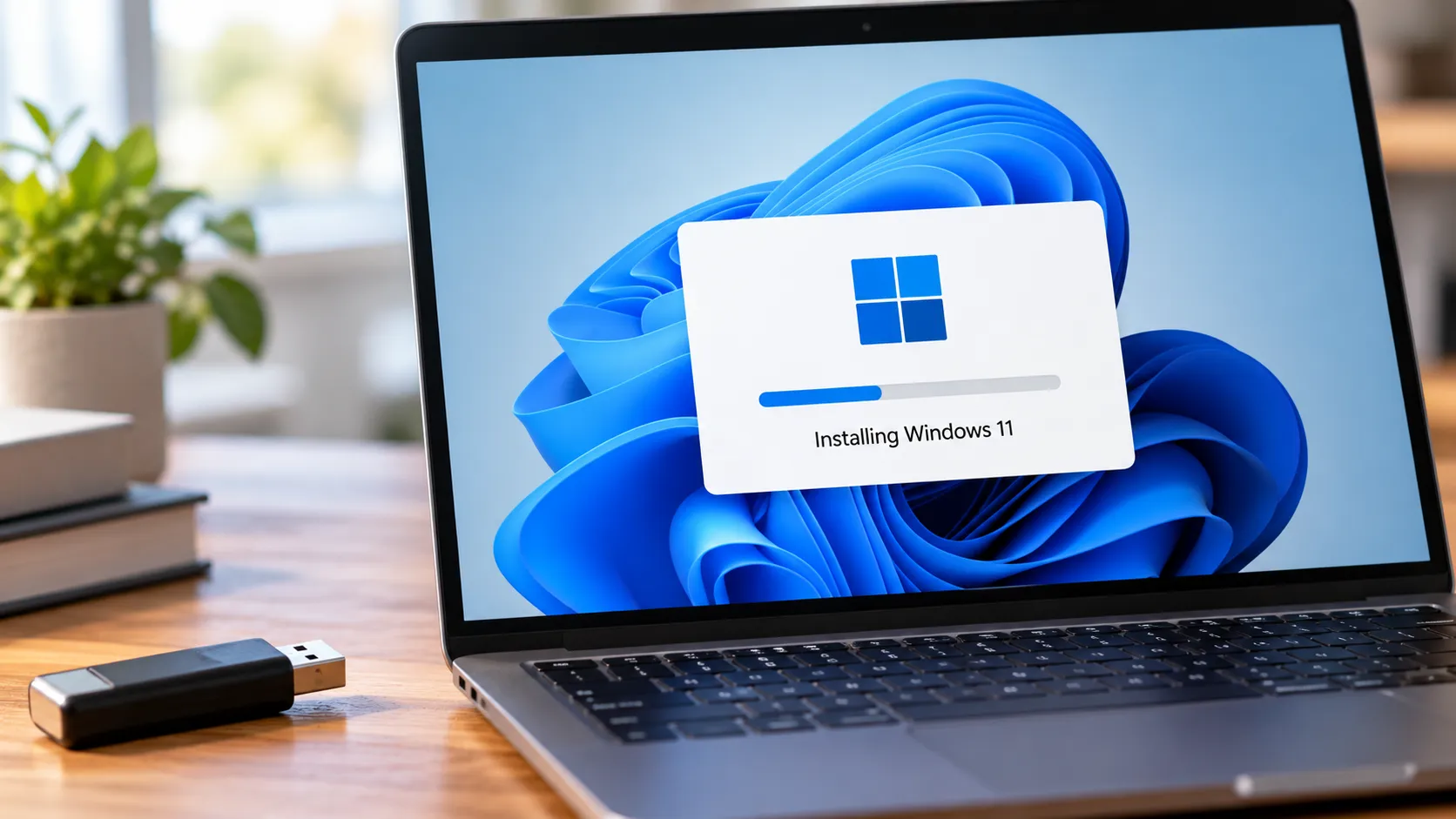
Upgrading an existing Home install. Microsoft sells an in-place upgrade for $99.99 through the Store. Rainier IT notes the process takes about ten minutes, doesn't require a reinstall, and leaves files, apps, and accounts untouched.
Carrying over an eligible Windows 10 license. An eligible Windows 10 PC that meets Windows 11's hardware requirements can upgrade at no charge. Confirm your edition and hardware eligibility before relying on this path; it's a free move to Windows 11, not a guaranteed free jump from Home to Pro.
Who should buy Windows 11 Pro?
The right answer depends heavily on who's asking, which is why a single verdict doesn't serve everyone equally well.
Solo users and most remote workers rarely need to think twice. If an employer doesn't require domain join or Intune enrollment, and there's no virtual machine work or incoming remote sessions involved, Home performs identically to Pro for daily tasks.
Developers sit in a genuine gray area. Hyper-V and Sandbox are real conveniences for testing code or running Linux environments without a second machine, though some developers manage fine on Home using third-party virtualization tools instead.
Small businesses managing multiple devices are where Pro's case gets strongest. Once a company needs to enforce encryption across machines, defer updates on its own schedule, or enroll devices in Intune, Pro's management layer starts doing real operational work rather than sitting unused. The in-place upgrade path covered above keeps that transition simple: no reinstall, no lost files.
Conclusion
Windows 11 Home and Pro are the same operating system at their core. Pro's value concentrates in a handful of narrow areas: BitLocker administration, Remote Desktop hosting, virtualization tools, and connection to a managed work environment.
Anyone still weighing the decision should start with what they actually do on the machine, not the label on the box. Check whether an employer requires domain join or Intune enrollment, confirm current pricing on Microsoft's feature-comparison page before buying, and remember that a free Windows 10 upgrade carries you to Windows 11, not automatically from Home into Pro. As more small businesses lean on cloud-based management tools, that distinction is likely to matter more for organizations than for individuals sitting at a single kitchen-table PC.




Comments
Be the first, drop a comment!