





Xbox's disc-to-digital program is no longer just a leaked roadmap item. Microsoft officially announced the feature on August 26, and Xbox Insiders began testing it on August 31.
The system lets players insert a supported Xbox One or Xbox Series X game disc into a console with a disc drive and claim a digital entitlement for that game. Microsoft says most Xbox One and Xbox Series X disc-based games support the feature, although not every title or physical pressing qualifies.
That digital entitlement is tied to both the player's account and the specific physical disc. If the disc changes hands and another player claims it, the entitlement moves with the disc and the previous owner loses access to the digital version.
The feature remains in Xbox Insider testing rather than a full public rollout. It has expanded across the Insider rings, but Microsoft has not announced a general-availability date.
What the Xbox disc-to-digital program does
The basic process is straightforward. Insert a supported Xbox One or Xbox Series X disc into an Xbox One or Xbox Series X console with a disc drive, launch the game, and Xbox can add a digital entitlement to the account.
Once claimed, the game gains the benefits of a digital copy. Microsoft specifically lists Xbox Play Anywhere and Xbox Cloud Gaming where those features are supported by the game. The physical disc continues to work as a normal disc.
The entitlement isn't permanently detached from the physical copy. The disc itself remains part of the ownership chain.
The Verge reports that if a disc is lent, sold, or traded and another account claims it, the digital entitlement moves to that account. The former owner then loses access through the entitlement created from that disc.
That gives used physical games an unusual role in Xbox's digital system. A disc can still be sold or given away, but the associated digital entitlement doesn't remain behind as a second permanent copy.
Publisher participation also matters. Microsoft says it is starting with thousands of titles and will add more, but not every game is available. Publishers retain control over whether their games participate.
Early testing has already shown that participation can change. Ubisoft games initially produced "not participating" messages for some testers before support began appearing in September. Other games and editions can still fail depending on publisher participation or the specific disc pressing.
How Xbox knows who owns the disc
One of the biggest questions around the leaked version of the program now has a clearer answer.
Microsoft began adding unique identifiers to Xbox discs during development of the Xbox One generation. Those identifiers allow Xbox hardware to distinguish one physical disc from another rather than treating every copy of the same game as interchangeable.
That's what makes the entitlement-transfer system possible. When another account claims the same identified disc, Xbox can associate the digital entitlement with the new holder rather than leaving permanent digital access with the previous owner.
The system does have limits. Some early Xbox One discs may lack the identifiers the program needs, depending on when and how they were manufactured. A damaged disc can also fail the entitlement check even if it remains readable enough to play conventionally.
Original Xbox and Xbox 360 discs aren't part of this disc-to-digital system. The current program is designed around Xbox One and Xbox Series X physical games.
There is also a practical route for owners of disc-less consoles. The entitlement must first be claimed using a compatible Xbox with a disc drive, but testers have demonstrated those resulting digital licenses working on Xbox Series S afterward. Microsoft also says claimed titles can gain the wider benefits of digital access across the Xbox ecosystem where supported.
That means a Series S owner with access to an Xbox One or Series X with a disc drive can potentially use that machine to claim supported physical games, then play the resulting digital versions on the Series S.
How this fits Xbox's bigger bet on library over hardware
Disc-to-digital is part of a broader effort to make older Xbox libraries usable across more devices.
Microsoft officially launched Xbox Backward Compatibility on PC in July with four original Xbox games: Blinx: The Time Sweeper, Conker: Live and Reloaded, Crimson Skies: High Road to Revenge, and Fuzion Frenzy. Digital console licenses for those supported games carry over to PC and handhelds.
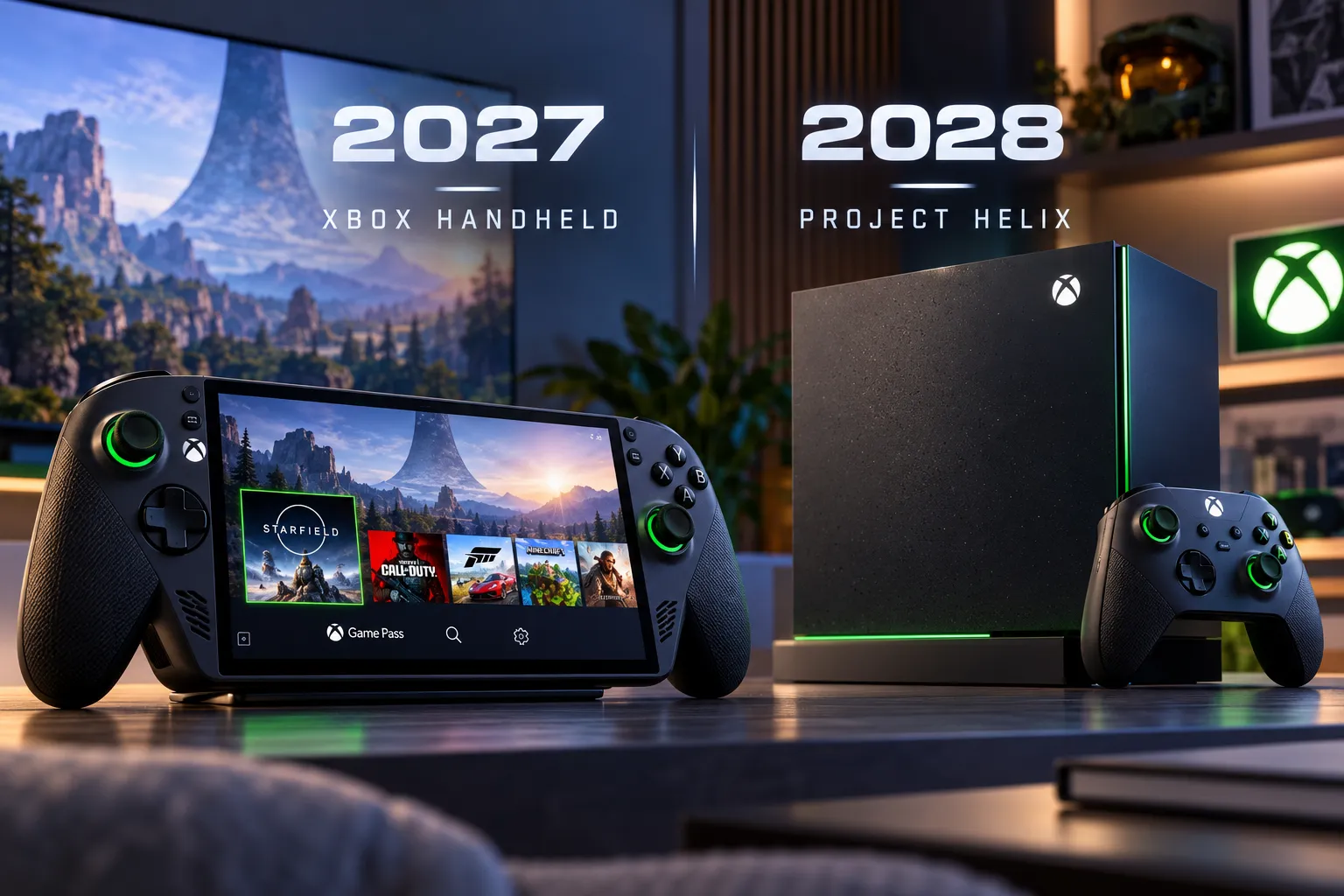
A leaked publisher roadmap reviewed by The Verge points to a broader original Xbox PC rollout in October 2026. The same document says developers will eventually be able to bring Xbox 360 titles to PC, Project Helix, and other next-generation devices through a gradual rollout expected between 2027 and 2028.
That's an important distinction from the original draft: the leaked Xbox 360 expansion is primarily about PC and next-generation devices, not bringing Xbox 360 games to today's Series consoles. Many Xbox 360 games are already playable on Xbox Series X and Series S through Microsoft's existing backward-compatibility program.
Publisher materials describe the pitch as a way to reactivate older games without forcing each publisher to build a new port. Xbox would handle engineering, certification, and support, while publishers retain control over rights, pricing, branding, and whether they participate.
That direction also fits Microsoft's longer-running push to make Xbox libraries less dependent on one piece of hardware. In 2024, then-Xbox chief Phil Spencer said he expected games exclusive to one device to become "a smaller and smaller part" of the industry over the following five to 10 years.
Disc-to-digital doesn't make Xbox hardware irrelevant, but it reduces the importance of having the original disc physically inserted every time a supported game is played.
Xbox backward compatibility and the limits of preservation
Xbox has been building backward compatibility into newer hardware since 2015.
In 2021, Microsoft added more than 70 original Xbox and Xbox 360 games to its backward-compatible catalog in one final major expansion. The company said licensing, legal, and technical constraints prevented it from adding every older title.
The preservation issue became more visible when Microsoft closed the Xbox 360 Store to new purchases on July 29, 2024. Previously purchased games and DLC remained downloadable and playable, and Microsoft said it was committed to supporting Xbox 360 gameplay "for the foreseeable future." Online multiplayer remained dependent on individual publishers continuing to operate their servers.
Disc-to-digital addresses one part of that problem by making compatible physical ownership more portable across Xbox's increasingly digital ecosystem.
It doesn't solve game preservation as a whole.
The Video Game History Foundation studied 1,500 US games released before 2010 and found that only about 13% remained commercially available when the study was conducted in 2023. Libraries and archives can preserve games digitally, but current copyright exemptions generally limit them to on-premises access rather than remote distribution.
That's a different problem from whether an Xbox owner can carry a purchased game forward to newer hardware. Reviving old games commercially and preserving the medium for research overlap, but they aren't the same thing.
What Xbox owners should know now
Disc-to-digital is real and already working in preview. It is no longer something owners need to wait for Microsoft to confirm.
What remains limited is access. As of September 22, the feature is still being tested through the Xbox Insider program rather than distributed to every Xbox owner. Microsoft hasn't announced the date for a full public rollout.
The main conditions are clearer now:
The program covers supported Xbox One and Xbox Series X discs, not original Xbox or Xbox 360 discs.
A compatible Xbox with a disc drive is needed to claim the entitlement.
The digital entitlement remains associated with the specific physical disc.
Selling, lending, or giving away the disc can cause the entitlement to move to another account when that disc is claimed again.
Not every game or disc pressing works.
Publisher participation affects availability.
Xbox Play Anywhere and Xbox Cloud Gaming benefits apply only where the individual game supports them.
Disc-less Xbox owners can use a claimed entitlement after it has been created on compatible hardware with a disc drive.
The larger backward-compatibility roadmap remains partly unannounced. Microsoft has officially begun bringing original Xbox games to PC, while the reported October expansion and 2027-to-2028 Xbox 360 rollout still come from leaked publisher materials rather than a public Microsoft schedule.
For physical-game owners, the important change is already tangible: supported Xbox One and Series X discs can now create digital entitlements without permanently destroying the resale value of the physical copy.
The disc still matters. It has effectively become the transferable key that determines who gets the associated digital entitlement.


Comments
Be the first, drop a comment!