





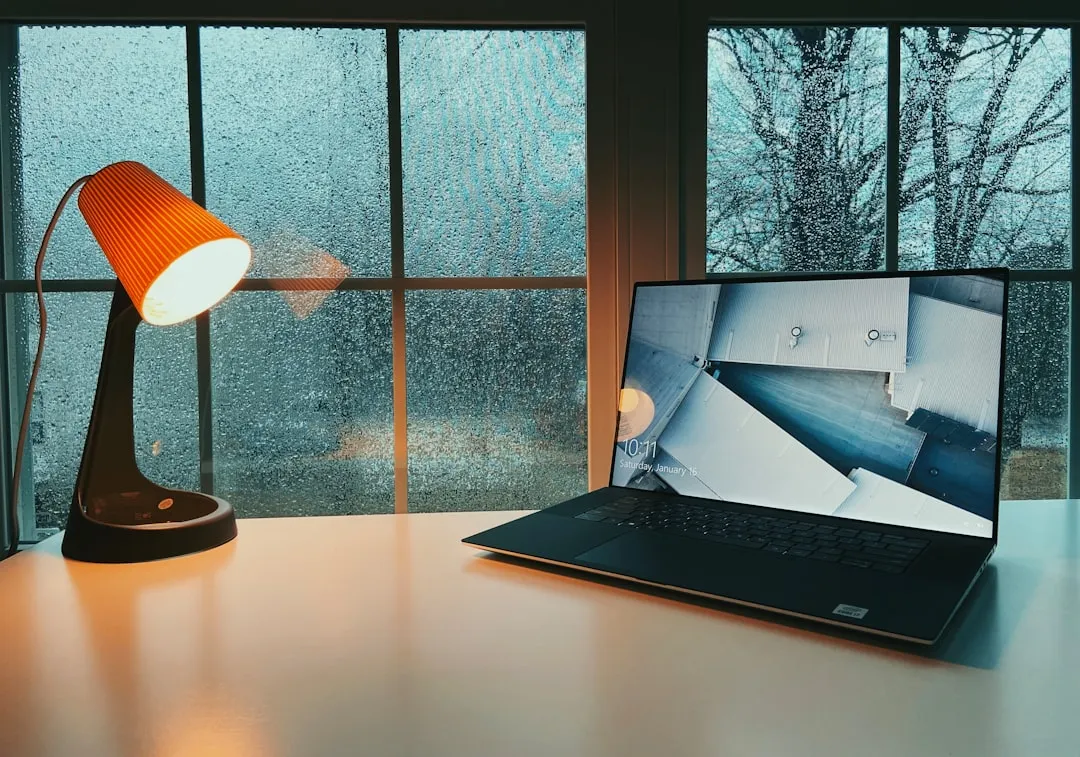
Microsoft's official end-of-support timeline for Windows 10 creates a compelling deadline that makes those tempting budget laptop deals far riskier than they appear. While the bargain prices on used Windows 10 machines might seem attractive, the hidden costs and security implications tell a different story entirely.
The clock is ticking faster than most buyers realize, and understanding these timing constraints becomes crucial for anyone considering a pre-owned Windows device. Smart purchasing decisions require looking beyond the initial price tag to evaluate the total cost of ownership, especially when factoring in Microsoft's support lifecycle and the practical limitations these older machines face.
The ticking clock: Why Windows 10's end-of-life changes everything
Here's the thing that most budget laptop shoppers don't fully grasp: Microsoft has drawn a hard line in the sand with their October 14, 2025 deadline for Windows 10 support. After that date hits, it's game over for security updates. No more patches, no more fixes for newly discovered vulnerabilities – just a growing list of security holes that hackers will be eager to exploit.
In the business world, IT departments start phasing out unsupported operating systems months before the official deadline. They're not waiting until the last minute to discover their entire network is vulnerable because someone's old laptop became a backdoor for cybercriminals. This means your "multi-year investment" realistically has about 15 months of professional viability remaining.
Let's break down the real math that most people skip. That $300 used laptop divided by 15 months of secure operation equals $20 per month – before factoring in any repairs, upgrades, or the inevitable replacement cost. Compare that to a $600 new laptop with Windows 11 that delivers 4-5 years of supported use at roughly $12 per month, and suddenly that "bargain" doesn't look so attractive.
The security implications create a cascade effect beyond just your personal files. An unsupported Windows 10 machine becomes a potential entry point for network-wide compromises, putting every connected device at risk – from your smart home gadgets to your work-from-home setup.
Hardware reality check: When "good enough" isn't actually good enough
Most used Windows 10 laptops currently flooding the market were manufactured between 2017-2019, featuring hardware that struggles with today's computing demands. We're talking about processors that bottleneck modern web browsers, 4-8GB RAM configurations that force constant application juggling, and traditional hard drives that turn every operation into a waiting game.
I've tested dozens of these older machines, and the performance gaps are more dramatic than most buyers expect. Simple tasks like video calls while taking notes, running multiple browser tabs, or even basic photo editing become exercises in frustration. What feels "good enough" in a 10-minute test drive becomes genuinely painful during real-world daily use.
Battery degradation compounds these performance issues significantly. Most used laptops have cycled through 500-1000+ charge cycles, reducing original capacity by 20-40%. Professional battery replacement typically runs $100-150, but here's the catch – thermal degradation often means the entire cooling system needs attention too. Dust accumulation and dried thermal paste create a perfect storm where your "portable" computer becomes a loud, hot, barely-mobile desktop that throttles performance to prevent overheating.
The Windows 11 compatibility trap: Why most used laptops can't make the jump
Microsoft's Windows 11 hardware requirements create an insurmountable barrier for roughly 75% of laptops manufactured before 2019. The TPM 2.0 chip requirement, 8th-generation Intel or 2nd-generation AMD Ryzen minimums, and Secure Boot capabilities effectively eliminate most budget laptops from upgrade eligibility.
Even machines that technically meet the baseline requirements often lack the performance headroom to run Windows 11 effectively. I've tested "compatible" older laptops that pass Microsoft's PC Health Check tool but deliver such sluggish Windows 11 performance that users immediately downgrade back to Windows 10.
This compatibility wall creates a dead-end investment scenario. You're purchasing hardware with zero future-proofing, guaranteed obsolescence by October 2025, and no viable migration path. The timing creates additional market pressure – when millions of Windows 10 users simultaneously need replacement hardware near the support deadline, basic supply and demand economics suggest both higher prices and limited availability for budget alternatives.
Hidden costs that destroy the value proposition
Beyond obvious hardware limitations, used Windows 10 laptops carry several expense categories that systematically erode their apparent value advantage.
Software licensing presents immediate complications. Many used machines lack transferable Windows licenses or come with volume licensing agreements that violate Microsoft's transfer policies. While the laptop boots fine initially, you may face licensing compliance issues or need to purchase legitimate Windows licenses averaging $100-140.
Driver support deteriorates as manufacturers discontinue updates for older models, creating cascading problems with peripheral compatibility, system stability, and security vulnerabilities that can't be resolved through standard Windows updates. These aren't theoretical issues – they manifest as USB devices that won't work properly, WiFi connectivity problems, and display issues with modern monitors.
Component failure statistics paint a concerning picture for budget buyers. Laptops 4-6 years old experience significantly higher failure rates, particularly in hard drives, cooling fans, and display hinges. Without warranty coverage, a single major component failure often exceeds the laptop's purchase price in repair costs, instantly transforming your "deal" into a total loss.
Smart alternatives that actually deliver long-term value
Rather than gambling on depreciating Windows 10 hardware, several alternatives provide superior value propositions when calculated over realistic usage timelines.
Manufacturer-certified refurbished laptops occupy the sweet spot between affordability and reliability. These machines typically include 90-day to 1-year limited warranties, verified Windows 11 compatibility, and professional refurbishment addressing common failure points. The 15-25% price premium over marketplace used laptops pays for itself through extended useful life and warranty protection.
Entry-level new laptops frequently offer competitive total cost of ownership when factoring in their full support lifecycle. Current-generation hardware designed specifically for Windows 11, complete manufacturer warranties, and 5+ years of security updates often deliver better per-month value than used alternatives. Recent models starting around $500-600 provide modern performance standards with guaranteed longevity.
For users whose computing needs center on web-based applications, cloud services, and basic productivity tasks, Chromebooks merit serious consideration. These devices typically receive 8-10 years of automatic updates, feature robust built-in security, and cost significantly less to own and operate over their full lifespan compared to aging Windows hardware.
The bottom line: Why patience pays off in laptop shopping
The fundamental economics of used Windows 10 laptops have shifted dramatically due to Microsoft's support timeline. What appears to be a bargain purchase becomes expensive when measured against compressed useful life, hidden costs, and inevitable replacement cycles.
Smart buyers recognize that October 2025 isn't a distant deadline – it's an approaching reality that fundamentally alters the value calculation for any Windows 10 hardware investment. The most financially sound approach involves either investing in Windows 11-compatible hardware or waiting for sales on new equipment that won't require replacement within 18 months.
The technology market consistently rewards patience and thorough analysis over impulse purchases driven by attractive price tags. Those "incredible deals" on used Windows 10 laptops often represent expensive lessons in false economy – your future self will appreciate the wisdom of looking beyond initial cost to evaluate true long-term value.
Bottom line: in a rapidly evolving technology landscape with firm support deadlines, the cheapest upfront option frequently becomes the most expensive choice you can make. Make the smart play and invest in hardware that grows with your needs rather than counting down to obsolescence.


Comments
Be the first, drop a comment!