



Reviewed by: Y. Garcia
Microsoft's AI assistant is about to make a major leap into the world of e-commerce, and it's happening sooner than you might think. Microsoft announced and is rolling out in-chat checkout with 'Buy' buttons in Copilot (Copilot Checkout).
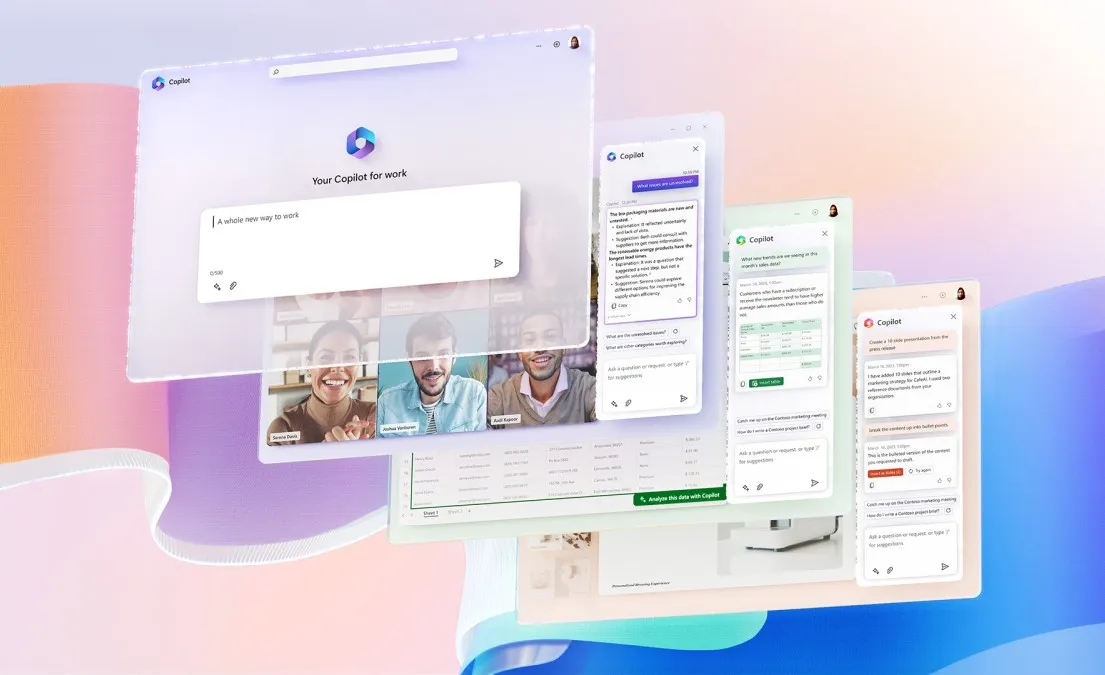
This represents a significant shift from traditional AI assistants that simply provide information to ones that can actually complete transactions on your behalf. The integration reflects Microsoft's broader strategy to transform Copilot into what they call a "true AI companion" that goes beyond answering questions to actively helping users accomplish real-world tasks.
How buy buttons will transform the shopping experience
Here's where things get really interesting. The integration of purchase functionality directly into Copilot represents a fundamental shift in how we interact with AI assistants. Instead of the traditional process of researching products, comparing options, and then navigating to separate websites to make purchases, users in the current rollout (U.S.) can complete purchases inside Copilot within a single conversational interface. Microsoft wants Copilot to help you compare items, find the best deals, and make purchases within the Copilot app, creating a seamless end-to-end experience that eliminates the friction we've all come to expect from online shopping.
This streamlined approach builds on existing capabilities that are already showing impressive results. Current data reveals that Microsoft's combination of Copilot and Bing has reduced the consumer's path to purchase by approximately 30%, and that's without direct purchase integration. To put this in perspective, typical e-commerce conversion funnels involve 8-12 steps from initial search to completed purchase. A 30% reduction means Microsoft has already eliminated roughly 3-4 friction points in the buying process — and direct buy button integration should accelerate this trend even further.
The technology will leverage Copilot's existing strengths in product discovery and comparison. Copilot can already help with shopping by providing comparisons based on information from the web, but the new functionality will eliminate the friction of jumping between platforms to complete transactions. Imagine asking Copilot to find you the best wireless headphones under $200, getting a detailed comparison with pros and cons, and then purchasing your choice with a simple "buy this one" command — all without ever leaving the conversation.
What this means for retailers and consumers
The introduction of embedded commerce in Copilot creates new opportunities and challenges for both sides of the marketplace. For consumers, the benefits are immediately apparent: simplified discovery, intelligent comparisons, and frictionless purchasing all within a single interface.
Copilot will be able to help you compare prices across different retailers, making it easier than ever to find the best deals without manually checking multiple websites. It's like having a personal shopping assistant who never gets tired of searching and always remembers your preferences.
For retailers, this development represents both significant opportunities and strategic challenges requiring immediate adaptation. This integration aims to streamline the purchasing process by allowing users to buy products directly through AI-generated recommendations and assistance, which means retailers need to optimize their product data for AI consumption, ensure their APIs can handle conversational commerce transactions, and develop new strategies for visibility within AI-mediated discovery processes. The retailers who figure out how to effectively structure their product information for AI parsing, implement robust API integrations, and optimize for conversational search queries will likely have a significant advantage over those who stick to traditional e-commerce approaches.
The shift also reflects broader industry trends toward what experts call "agentic commerce." The move to integrate buy buttons into Copilot is part of a broader trend of embedding commerce functionalities into AI systems, suggesting this isn't just a Microsoft initiative but part of a fundamental transformation in how digital commerce operates. We're moving toward a world where AI agents don't just help you find products — they actively facilitate the entire purchase process, from discovery through payment processing.
The technical foundation already in place
Microsoft isn't starting from scratch with this commerce integration — they've been building the infrastructure for months. The company already offers robust shopping assistance capabilities, with Copilot able to track price drops and sales, offer impartial advice, and streamline purchases. The current system helps users discover, compare, and research products, providing a solid foundation that allows Microsoft to add transaction capabilities without completely rebuilding their architecture. This evolutionary approach significantly reduces the technical complexity and security risks associated with implementing secure payment processing within an AI interface.
What's particularly impressive is how well the AI-powered commerce tools are already performing. The foundation extends to Microsoft's advertising platform as well, where AI-powered commerce tools are already delivering impressive results. Research from November 2024 to May 2025 shows Copilot generates 73% higher click-through rates and 16% stronger conversion rates compared to traditional search advertising. This data validates Microsoft's commerce strategy by demonstrating that AI-mediated shopping interactions aren't just more convenient — they're actually more effective at connecting users with products they want to buy, suggesting the transition to direct purchasing will build on proven engagement patterns.
For businesses looking to prepare for this shift, Microsoft has already made tools available. Installing the personalized shopping agent solution files in Copilot Studio takes up to 30 minutes, allowing retailers to begin experimenting with AI-powered shopping experiences. Once configured, users can pass commands like 'Show me all products' to display all backend products, demonstrating how natural language interfaces can replace traditional e-commerce navigation. This represents a fundamental shift from click-based browsing to conversation-driven product discovery, requiring retailers to structure their catalogs for natural language queries rather than traditional category hierarchies.
What to expect as this rolls out
As Microsoft prepares to launch buy buttons in Copilot, users should expect a gradual rollout with some important considerations. The company has already acknowledged that Copilot's shopping features are only available in certain markets, so availability will likely expand over time rather than launching globally all at once. This approach makes sense given the complexity of implementing secure payment processing across different regulatory environments, currency systems, and local commerce regulations — each market requires careful validation of security protocols and compliance with local financial regulations.
Microsoft has also been transparent about the technology's current limitations, noting that Copilot can occasionally make mistakes, and users should verify key product information, pricing, and purchase terms on the retailer's website. This suggests the initial implementation may include safeguards and verification steps to ensure transaction accuracy, likely involving confirmation screens that display final pricing and terms before completing purchases. It's a smart approach that prioritizes user trust and transaction security over pure convenience, recognizing that a few extra verification steps are worth avoiding costly purchase errors or security vulnerabilities.
The broader implications extend beyond just Microsoft's ecosystem. With Microsoft claiming that coupling its AI assistant Copilot with Bing usage has shortened the consumer's path to purchase by about 30%, other tech giants will likely accelerate their own commerce AI initiatives to remain competitive. This could spark a new wave of innovation in AI-powered shopping experiences across the industry, potentially transforming how we think about online commerce entirely and creating pressure on Amazon, Google, and Apple to develop their own conversational commerce solutions.
The bigger picture: AI commerce is just getting started
Microsoft's integration of buy buttons into Copilot represents more than just a new feature — it's a glimpse into the future of digital commerce where the traditional boundaries between search, discovery, and purchasing dissolve entirely. The new shopping features are part of Microsoft's "next chapter in its vision to deliver a true AI companion", suggesting this is just the beginning of a much larger transformation in how we interact with technology for everyday tasks.
As AI assistants become more capable of handling complex, multi-step processes like shopping, we're moving toward a world where the distinction between searching for information and taking action becomes increasingly blurred. Copilot will help you find the best deals and streamline purchasing items, but the implications extend far beyond just finding good prices — we're looking at a fundamental shift in the relationship between consumers, technology, and commerce.
This evolution suggests a future where AI assistants become trusted purchasing agents, potentially managing subscription renewals, reordering household essentials, and even making complex purchasing decisions based on long-term user preferences and budget constraints.
The success of this integration will likely determine how quickly other AI platforms follow suit, making Microsoft's approach a critical test case for the entire industry. Whether you're a consumer excited about simplified shopping or a business owner preparing for the next wave of digital transformation, the introduction of buy buttons in Copilot marks a significant milestone in the evolution of AI-powered commerce. It's the kind of development that could make us look back in a few years and wonder how we ever managed to shop any other way.




Comments
Be the first, drop a comment!