





Windows 10 Extended Security Updates 2027: Home vs. Business Coverage
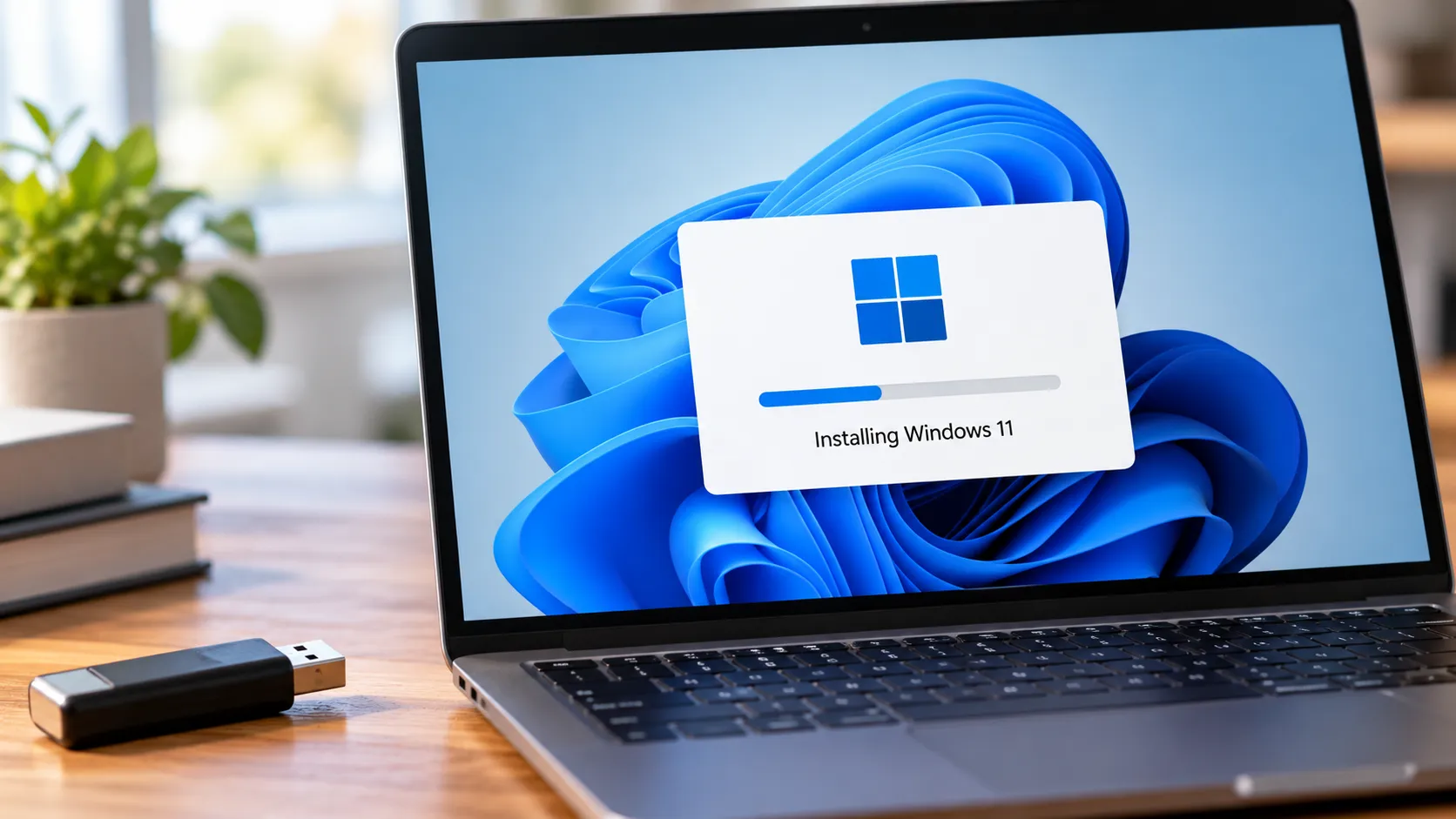
Microsoft has extended its Windows 10 Extended Security Updates program for personal devices through October 12, 2027, pushing the deadline one year past the program's original October 2026 end date. The change affects home PCs only. Business devices managed through Active Directory, Microsoft Entra, or a mobile device management system are excluded and fall under a separate commercial track. For the millions of personal computers still running Windows 10, the Windows 10 extended security updates 2027 timeline buys more time to stay patched while planning a path forward.
Standard Windows 10 support ended October 14, 2025, when Microsoft cut off feature updates, non-security fixes, and general technical support for most editions, according to Microsoft Learn. What remains is a narrower paid security-patch program. Windows 11 held 71.69% of the worldwide Windows market in May 2026, while Windows 10 remained at 26.36%, TechRepublic reported last week, citing StatCounter data.
Who the extension applies to and who it doesn't
The eligibility rules matter, and they cut off a large segment of users before they even get started.
The extension covers personal devices only home PCs not enrolled in organizational management systems. Any machine joined to Active Directory, Microsoft Entra, or an MDM platform falls outside this program and must use the commercial ESU track instead, TechRepublic noted last week. There is also a version requirement: devices must be running Windows 10 version 22H2, the final major release of Windows 10, to qualify for ESU patches at all, per Microsoft Learn.
Home users already enrolled don't need to do anything coverage through October 2027 applies automatically. New enrollees have three options, as TechRepublic reported last week, citing PCMag: pay $30, redeem 1,000 Microsoft Rewards points, or sync Windows Backup to OneDrive. That last option may require a paid storage plan, since free OneDrive accounts cap out at 5GB.
For businesses, the commercial ESU program works differently. Pricing doubles each year, and licensing is cumulative an organization that joins in year two must purchase both year-one and year-two licenses, Computer Weekly explained. Gartner has characterized the program as a temporary, incomplete measure and advises organizations to treat Windows 11 migration as a strategic priority rather than a problem ESU genuinely solves, according to Computer Weekly.
What the Windows 10 Extended Security Updates program covers in 2027
The phrase "security updates extended" implies more protection than the program actually delivers.
ESU patches only vulnerabilities Microsoft rates as "critical" or "important." Flaws classified as "moderate" or "low" go unaddressed, meaning enrolled devices receive partial patch coverage, not a fully secured system, Computer Weekly reported. No feature updates, no non-security bug fixes, and no general technical support are included. Microsoft's obligations under ESU extend only to license activation, ESU installation, and problems directly caused by those updates hardware compatibility, performance issues, and software conflicts fall to the user or a third party, per Microsoft Learn.
One detail worth flagging separately: Microsoft 365 applications on Windows 10 will continue receiving critical and important security updates until October 2028, with feature updates running through October 2026, regardless of whether the underlying OS is enrolled in ESU. But any issue specific to Windows 10 itself may prompt a recommendation to upgrade rather than a fix, Computer Weekly noted.
Third-party application support is a separate question entirely. Many software vendors set their own support cutoff at the October 2025 Windows 10 end-of-support date. Organizations running business-critical applications on Windows 10 ESU should confirm directly with each vendor whether support continues and not assume that ESU enrollment carries any vendor obligation along with it, Computer Weekly advised.
Why so many devices are still on Windows 10
The extension didn't come from nowhere. It reflects a migration problem that Microsoft's own hardware requirements helped produce.
When Windows 11 launched, its TPM 2.0 and processor generation requirements immediately disqualified a large share of otherwise functional hardware. Industry surveys at the time estimated that more than half of business PCs in active use could not meet the new requirements, System Plus reported in January 2026. The situation is messier than a clean hardware cutoff: many machines technically support TPM 2.0 through Intel PTT or AMD fTPM firmware, but ship with the feature disabled by default. Users were told to "check the BIOS" without much explanation of what that meant or what to change, according to System Plus, leaving a non-trivial number of potentially eligible machines sitting on Windows 10 for no technical reason.
The numbers bear this out at the enterprise level. HP's CFO told investors last month that roughly 30% of the company's installed base remains on Windows 10, describing the slow migration as a near-term revenue tailwind, with refresh demand particularly strong in EMEA and Asia-Pacific, The Register reported.
Microsoft told BleepingComputer, as cited by TechRepublic last week, that the program would now run "through October 12, 2027," giving customers "more time and flexibility to find the best PC for their needs while keeping them protected." TechRepublic also noted the tradeoff: the extension reduces immediate security risk for personal devices, but may also slow Windows 11 adoption.
What to do now
The practical next steps split sharply depending on whether a device is personal or managed.
If you use Windows 10 on a personal PC: Start by confirming the machine is running version 22H2 that's a prerequisite for ESU enrollment. Before paying $30, it's worth checking the BIOS for a disabled TPM 2.0 setting; some machines can clear the Windows 11 hardware bar without any new hardware, a possibility System Plus documented in January 2026 that many users haven't been walked through. Microsoft's current schedule puts the program's end at October 12, 2027, with no announced plans to extend it further, according to TechRepublic. That should be treated as a firm planning deadline, not a soft one.
If you manage Windows 10 devices at work: The personal-device extension does not apply. Commercial ESU pricing doubles annually, licensing is cumulative, and Gartner is explicit that the program is a bridge measure rather than a sustainable support model, per Computer Weekly. Verify third-party application support timelines directly with vendors assuming coverage continues without checking is the kind of gap that surfaces at the worst possible moment. The cost structure of commercial ESU is deliberately designed to make staying put more expensive over time, which means every quarter spent on Windows 10 ESU is migration planning time purchased at an escalating price.
For home users who genuinely need more runway, the extension is real and useful. For organizations, it is a progressively more expensive stopgap with a hard ceiling. October 2027 is a deadline, not a reprieve.



Comments
Be the first, drop a comment!