




![The Microsoft Copilot Bible: [3 in 1] A Beginner's Guide to Harness AI in Office 365 to Automate Workflows, Generate Content, Analyze Data, and 10x Your Productivity](https://m.media-amazon.com/images/I/6137D0WO3TL._AC_UY218_.jpg)

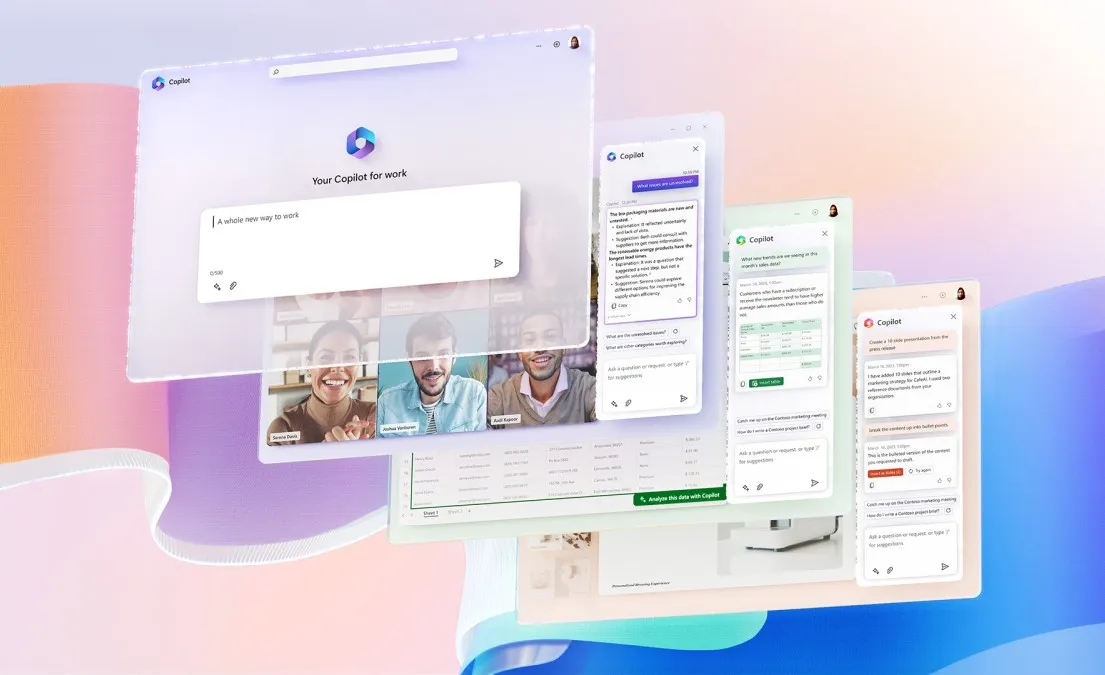
Microsoft's Microsoft 365 Copilot app now goes by a different name: Microsoft Copilot. That's not just cosmetic. As part of the same round of Microsoft 365 Copilot app updates, Microsoft is merging existing Microsoft Copilot and Microsoft 365 Copilot installations into one client on Windows and Mac devices.
Microsoft's deployment guidance says the broad rollout to commercial customers begins in September, so organizations are now inside the rollout window rather than preparing for a distant change.
That single fact creates two different jobs. IT admins need to review rollout policy and device readiness now, while employees on managed devices need to know what they can and can't control once the app on their machine updates. This article treats those as separate questions rather than one shared checklist.
The scope is narrower than it might sound. The unification deployment mechanism covered here focuses on Windows and Mac devices. Mobile versions of the Microsoft Copilot app use separate Intune deployment guidance.
The unified Microsoft Copilot app itself supports personal and work or school experiences from the same client, and Microsoft says data entered in the personal-account experience doesn't flow into the work-account experience or vice versa.
Microsoft also says the rename and deployment change do not alter organizational security, compliance, or privacy protections.
Which Managed Devices Get the Unified Microsoft 365 Copilot App Experience
Microsoft's unification guidance covers Windows and Mac devices, but the deployment process isn't identical on both platforms.
On Windows, Microsoft uses Edge Update policies to control testing, installation, updates, and the unification of existing Microsoft Copilot and Microsoft 365 Copilot installations.
On Mac, Microsoft tells administrators to deploy the latest .pkg installer through a mobile device management system such as Intune, Jamf, or another MDM platform for the opt-in phase.
Phone and tablet deployment follows separate Intune guidance, so mobile devices aren't part of the desktop rollout mechanism described here.
Unmanaged personal devices also shouldn't be assumed to follow an organization's managed rollout policy. The Microsoft Copilot client supports personal Microsoft accounts as well as Microsoft Entra work or school accounts, but the enterprise deployment controls below are aimed at managed devices.
A secondary analysis from Secure Bulletin frames the broader change as Microsoft combining more consumer and enterprise Copilot experiences into one app and raises questions about feature consolidation.
Microsoft's own deployment documentation does not confirm the feature-retirement claims described in that report, so those should be treated separately from the documented app unification.
For IT Admins: What to Configure During the September Rollout
Microsoft says the broad commercial rollout starts in September, so organizations that haven't reviewed their deployment settings should treat this as work to complete now.
The controls differ between Windows and Mac.
Windows rollout controls
For Windows devices, Microsoft's current guidance requires Edge Update version 1.3.253.25 or later for the unification policies.
Three controls matter most:
Previewing and approving unification: The
CopilotUnificationAllowedpolicy lets admins explicitly allow existing Microsoft Copilot and Microsoft 365 Copilot apps to unify. That policy only takes effect whenUpdaterExperimentationAndConfigurationServiceControlis also enabled.Manual versus progressive rollout: Once broad rollout begins, admins can continue managing deployment themselves or let Microsoft progressively roll out the updated app by enabling
UpdaterExperimentationAndConfigurationServiceControl.Pausing the rollout: Organizations that need more time can use Microsoft's Pause Copilot App Unification Rollout registry control on Windows. Setting
PauseCopilotAppUnificationRolloutto1pauses further unification deployment.
One additional setting can block testing entirely. If AutoUpdateCheckPeriodMinutes is set to 0, Microsoft says admins won't be able to preview the unified app.
If an organization doesn't manually manage the deployment or enable Microsoft's progressive rollout controls, devices that already have a Copilot app may download the unified package automatically as Microsoft works through the rollout.
Mac rollout controls
Mac deployment uses a different path.
Microsoft tells admins to download the current macOS .pkg installer and deploy it through MDM to the devices selected for the unified-app opt-in program. Admins can monitor installation through their MDM platform.
Microsoft also publishes separate Copilot update policies for macOS, including controls for automatic, manual, or disabled updates and the Stable or Beta update channel.
The Windows registry-based pause control should not be treated as a Mac control.
Network and License Checks to Review at the Same Time
Network access belongs in the same rollout review.
Microsoft says copilot.cloud.microsoft must not be blocked and recommends allowing the broader *.cloud.microsoft domain. Copilot experiences also rely on WebSocket connectivity to Microsoft endpoints.
Microsoft has already begun consolidating Microsoft 365 services under unified Microsoft domains, including *.cloud.microsoft, *.static.microsoft, and *.usercontent.microsoft. That consolidation is underway now, not merely a future proposal.
Beyond rollout policy, Microsoft's admin guidance names several license and configuration checks that apply to Copilot generally rather than to the app merger itself:
Review Microsoft 365 Apps privacy settings. Microsoft says those settings can affect Copilot feature availability.
Confirm update-channel settings. Microsoft recommends reviewing them during Copilot setup and deployment.
Check device-based licensing. Microsoft's requirements documentation says Copilot isn't available when Microsoft 365 Apps for enterprise uses device-based licensing.
Enable third-party cookies for the web apps when required. Microsoft says Copilot in Word Online, Excel Online, and PowerPoint Online needs third-party cookies enabled.
Check the user's actual license. Copilot Chat is included with a range of eligible Microsoft 365 subscriptions, while the full work-data-grounded Microsoft Copilot experience requires the appropriate Copilot license or bundled entitlement.
None of those checks are caused by the unification. They're prerequisites that can affect what a user sees regardless of which app name appears on the desktop.
For Employees on Managed Devices: What to Check
Microsoft frames rollout controls as settings organizations configure, not switches individual employees use to choose when the unified app arrives.
Employees can still verify a few things once the app updates:
Confirm whether the device is organization-managed or personal.
Check which account is signed in. The unified client supports both personal Microsoft accounts and Microsoft Entra work or school accounts.
Look for the "Work" label when using a work or school account. Microsoft uses visual indicators to distinguish the two account types.
Check the Work IQ control if the unified chat interface has reached the account.
Ask IT about license-gated features if something is missing after the update.
Feature access depends on the license assigned to the signed-in account. Microsoft's license guidance separates Copilot Chat access from the fuller Microsoft Copilot experience that can use organizational work data.
A Microsoft Entra ID account is required for work or school use.
Mailbox requirements also need more nuance than older Copilot guidance suggested. Microsoft's current deployment requirements still say a user's primary mailbox must be in Exchange Online for mailbox grounding.
But that no longer means Copilot Chat can only work with the primary mailbox. Microsoft added support for searching archive mailboxes in 2025 and later added access to shared mailboxes when the user already has permission to them.
Microsoft's current requirements still state that group mailboxes aren't supported.
Secure Bulletin raises additional questions around identity switching on shared devices and recommends revalidating data-loss-prevention rules and agent permissions after unification. Those are reasonable areas for administrators to test, but Microsoft's unification documentation does not identify them as confirmed defects caused by the new client.
Separate Microsoft 365 Copilot Changes Shipping in the Same Window
A few feature changes are arriving around the same time, but Microsoft documents them as product updates rather than consequences of app unification.
Web and work chat are now being combined into one interface with a Work IQ button in the top-left corner of Chat. Microsoft's current Copilot release notes say the button lets users switch access to work data on or off without moving between separate chat experiences.
One detail is now confirmed: work data is on by default when that experience is available.
That means users shouldn't describe Work IQ as a privacy mode. It's an access control inside Copilot Chat that determines whether the current conversation can use work context the user already has permission to access.
Microsoft separately documents a right-hand Copilot Chat pane inside Copilot Search for users with the AI SKU. That pane lets eligible users chat while browsing search results without changing pages.
A missing pane can therefore be a licensing issue rather than an app-update failure.
What IT and Employees Should Do Now
Admins should treat the unified-app rollout, update policy, network access, privacy settings, licensing mode, and endpoint configuration as one review.
For Windows, that means checking Edge Update, the unification and experimentation policies, and whether the organization needs the rollout pause. For Mac, it means reviewing the MDM deployment path and macOS update policies rather than assuming the Windows controls apply.
Employees on managed devices generally can't choose when IT deploys the unified client. Once the app changes, the useful checks are simpler: confirm the signed-in account, look for the correct personal or Work identity, and report missing license-gated features to IT.
Work IQ is also clearer than the earlier documentation suggested. Microsoft's release notes now say work-data access is on by default, and the button turns that access on or off inside the unified chat.
The app name is changing and the two desktop Copilot clients are converging, but Microsoft says the underlying organizational security, compliance, and privacy model remains the same.






Comments
Be the first, drop a comment!