




The gaming world loves a good rumor, especially when it involves high-profile executives. Recently, speculation erupted about Phil Spencer potentially stepping down from his role as Microsoft Gaming CEO—but here's what's actually happening: Microsoft has firmly denied these claims, with Xbox communications head Kari Perez stating that Spencer has no plans to retire in the near future, according to The Verge. The speculation emerged from a Call of Duty leaker who suggested Spencer would depart after the next-generation Xbox console launches, as reported by TechPowerUp. Microsoft's Chief Communications Officer Frank X. Shaw went further, directly dismissing portions of the rumor as fabricated, according to Thurrott.com. This controversy arrives at a particularly sensitive moment, as Microsoft simultaneously implements substantial workforce reductions across its gaming division—a juxtaposition that reveals deeper tensions in Microsoft's gaming strategy beyond one executive's career plans.
Where the retirement rumor actually came from
The speculation didn't materialize out of thin air. X user @TheGhostOfHope (Call of Duty leaker) initiated the claim by posting that Spencer would step down following the launch of Microsoft's next-generation console hardware, Metro reports. What's interesting is how quickly the rumor gained traction in industry circles. The claim got additional oxygen when Insider Gaming's Tom Henderson mentioned hearing similar whispers during Summer Games Fest, according to Metro. Henderson's comments seemed to lend credibility to TheGhostOfHope's initial post, though it appears Microsoft wasn't particularly pleased with the amplification.
Beyond just timing, the rumor included specific succession details that initially seemed to add credibility: current Xbox President Sarah Bond would assume the CEO position. However—and this is a notable detail—no successor for her current role had been identified, TechPowerUp notes. That absence of complete succession planning should have been a red flag about the rumor's reliability.
Industry analyst Jez Corden from Windows Central added nuance by suggesting any departure would occur "some time" after next-generation hardware launches, though he emphasized no formal plan exists, according to TechPowerUp. The timing of these rumors coinciding with Microsoft's announcement of significant job reductions created a context that made speculation about leadership instability seem more plausible to an already frustrated community. Microsoft's official response came swiftly, with multiple executives pushing back—a coordinated approach that suggests the company took the rumor seriously enough to risk amplifying it through direct denial.
Spencer's track record: the good, the bad, and the controversial
Phil Spencer has led Xbox since 2014, taking over from his previous position as head of Microsoft Studios, The Verge reports. That's more than a decade at the helm of one of gaming's most scrutinized divisions. His tenure included crucial initiatives like launching Xbox Game Pass (which fundamentally reshaped how Xbox approaches software distribution), acquiring major publishers including Activision Blizzard and ZeniMax Media, and expanding Xbox titles to competing platforms like PlayStation and Nintendo Switch, according to The Verge.
The corporate trajectory reflects Spencer's growing influence within Microsoft's broader structure. He was promoted to Executive Vice President of Gaming in 2017 with direct reporting to CEO Satya Nadella, Thurrott.com notes. Spencer assumed the title of CEO of Microsoft Gaming when the company announced its Activision Blizzard acquisition in January 2022, according to Thurrott.com. This growing influence within Microsoft's hierarchy came largely from his success rehabilitating the Xbox brand following the troubled Xbox One launch, Thurrott.com reports. That 2013 console launch was genuinely disastrous, marked by confusing messaging about always-online requirements, used game restrictions, and forced Kinect bundling. Spencer's leadership helped steer the brand away from that mess into a more consumer-friendly direction focused on value and accessibility.
Spencer has characterized Xbox's position as stronger than ever, claiming the brand has "more players, games, and gaming hours than ever before," Metro reports. By the numbers alone, that claim might hold water. But here's the disconnect many fans are questioning: more players doesn't necessarily translate to strategic success when profitability remains murky and studios keep closing—a gap between engagement metrics and financial sustainability that Microsoft hasn't adequately addressed. This pattern reflects broader challenges in the subscription gaming model, where player engagement doesn't directly correlate with profitability, particularly when content acquisition costs remain high and subscriber growth plateaus.
Why fans are calling for his resignation
Despite Microsoft's denial, social media erupted with demands for Spencer's departure. Here's where things get pointed for Microsoft's leadership: critics highlight a pattern of studio closures, workforce reductions, and project cancellations under his leadership, according to Metro. One observer questioned how Spencer maintains his position given "so many closures, layoffs, and commercial failures," Metro reports. That's a blunt assessment, but it reflects frustration that's clearly been building in the gaming community.
Another critic characterized every major decision during Spencer's decade-long tenure as "incorrect and financially disastrous," according to Metro. That's probably hyperbolic (Xbox Game Pass was genuinely innovative, and the Bethesda acquisition brought valuable IP into Microsoft's portfolio), but the sentiment captures a widespread perception that Spencer's strategy hasn't delivered the results Microsoft expected.
The criticism intensified following workforce reductions that contributed to roughly 6,000 companywide layoffs announced in May 2025 (not all within Xbox studios)—a figure that includes the initial 2,500 layoffs announced after the Activision Blizzard deal closed and subsequent waves affecting studios across the division, Metro reports. Think about that figure for a moment: 6,000 people losing their jobs after Microsoft spent billions acquiring their employers with promises of growth and opportunity. This pattern reveals a fundamental miscalculation in Microsoft's integration strategy—the company assumed acquired studios would generate immediate profitability gains that could justify acquisition costs, but instead found itself cutting the very talent it paid billions to acquire.
High-profile projects like Perfect Dark, Everwild, and a ZeniMax Online MMORPG codenamed Blackbird have been cancelled, while Microsoft shut down The Initiative studio entirely, TechPowerUp notes. The Initiative closure particularly stung because it symbolized Microsoft's broader pattern of announcing ambitious initiatives without the sustained commitment to see them through—a pattern that undermines confidence in any new project announcements.
What this means for Xbox's future direction
Bottom line: Spencer isn't going anywhere in the immediate future, but the broader implications of Microsoft's gaming strategy remain murky. Spencer acknowledged in an internal memo that workforce reductions occur "at a time when we have more players, games, and gaming hours than ever before," Thurrott.com reports. That statement creates cognitive dissonance. If Xbox is genuinely thriving with unprecedented engagement, why the aggressive cost-cutting?
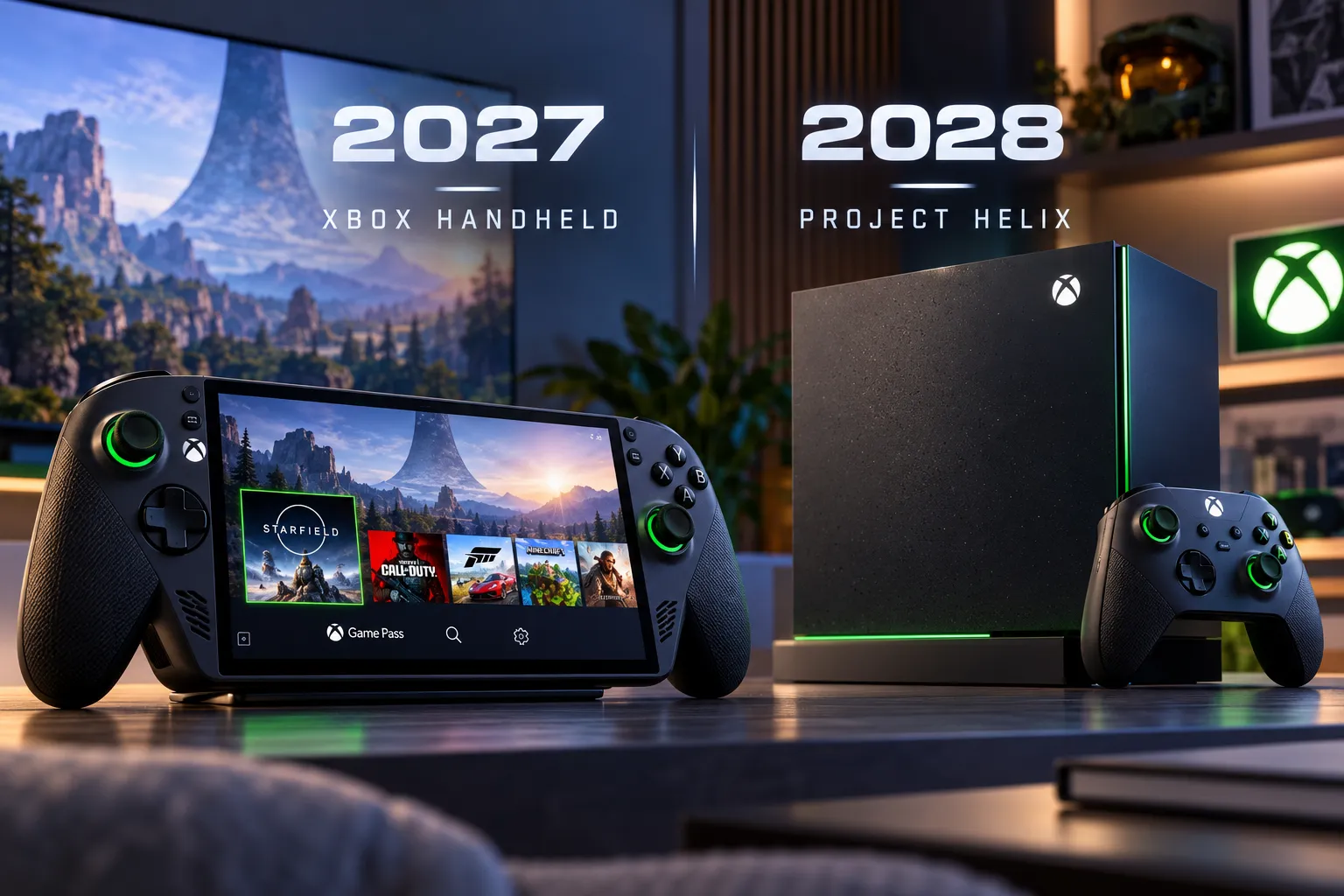
He emphasized that "We must make choices now for continued success in future years and a key part of that strategy is the discipline to prioritize the strongest opportunities," according to Thurrott.com. It's standard corporate language, but what it really means is that Microsoft is consolidating around Game Pass and cloud gaming while cutting everything that doesn't directly feed those priorities—a strategy that sacrifices creative diversity for operational efficiency. The next-generation Xbox hardware is expected to arrive sometime between 2026 and 2027, TechPowerUp notes.
While Microsoft's official statement doesn't completely address the long-term succession planning rumors, it definitively rules out an imminent departure, The Verge reports. Spencer is known as an enthusiastic gamer who communicates openly about Microsoft's gaming strategy, according to Thurrott.com—a reputation that has generally worked in his favor, helping him maintain goodwill even during difficult decisions, though that goodwill appears to be eroding as the gap between his optimistic messaging and studio realities widens.
For now, the leadership structure remains unchanged, though the tension between Xbox's reported growth metrics and its aggressive cost-cutting measures continues to fuel skepticism about the division's actual health. You might be wondering how a division can simultaneously claim record engagement while implementing massive layoffs. The answer likely lies in Microsoft's shift from measuring success by console sales to prioritizing Game Pass subscriptions and cloud engagement—metrics that can grow even as profitability per user remains problematic and development costs exceed revenue. Whether Spencer's tenure ultimately represents a successful transformation or a series of expensive missteps will depend on whether Microsoft can translate its expanded player base into sustainable profitability—and whether the gaming community's patience outlasts the company's restructuring timeline.





Comments
Be the first, drop a comment!