





Windows Update Automatic Driver Rollback Explained: What IT Needs to Know
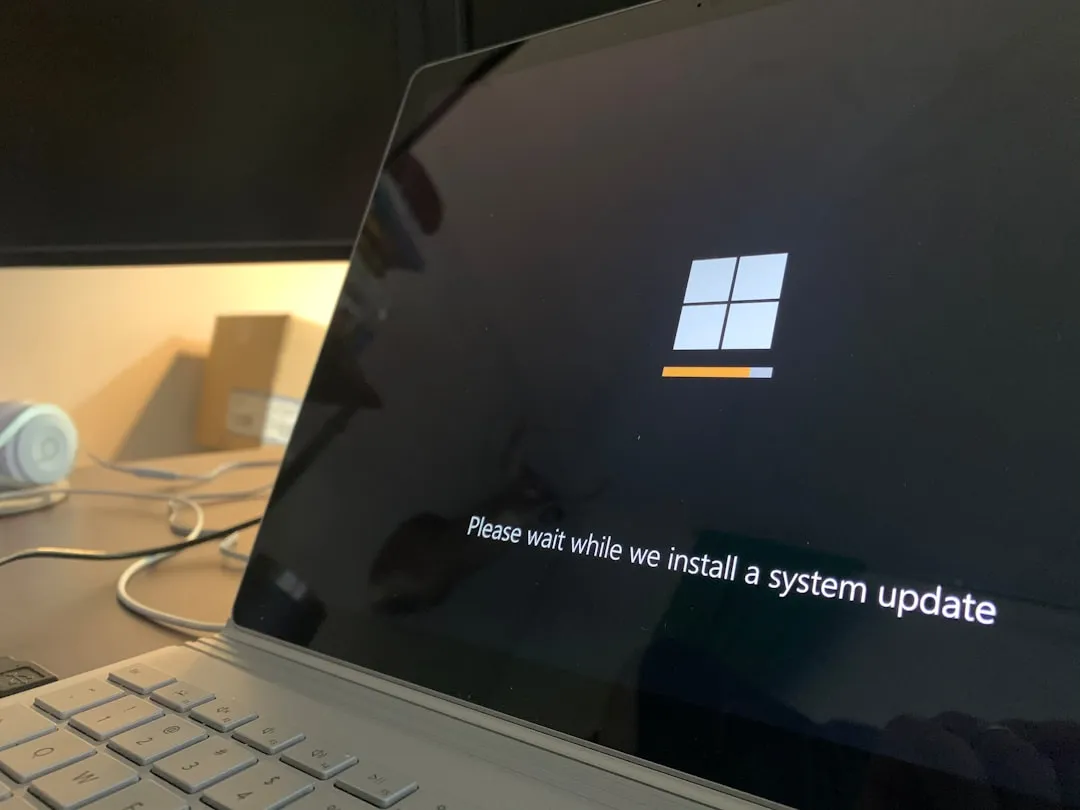
Microsoft today announced a Windows Update automatic driver rollback feature that can replace a faulty driver installed through Windows Update on affected devices without any action from the user or the hardware vendor. The feature, called Cloud-Initiated Driver Recovery, is currently in testing with hardware partners and is scheduled for a gradual rollout in September, The Verge reported today. It applies only to drivers delivered through Windows Update a scope boundary that defines both what it can realistically fix and what it cannot.
The central unanswered question, particularly for organizations running managed device fleets, is whether cloud-initiated rollbacks will respect or bypass the driver approval workflows that IT administrators have configured through Intune and Windows Autopatch.
How the Windows Update automatic driver rollback is triggered
Right now, when a driver delivered through Windows Update causes problems on a Windows 11 machine, users have two options: roll it back manually, or wait for the hardware vendor to publish a corrected version, according to The Verge. Cloud-Initiated Driver Recovery automates that recovery step. When Microsoft identifies a driver as problematic, it triggers a recovery action from the cloud and Windows Update delivers a previously working driver version to affected devices, with no vendor patch required and no user action needed.
The trigger is Microsoft's internal quality review. "When a driver is identified as having quality issues during our shiproom evaluation process, Microsoft can now initiate a recovery action from the cloud, replacing the problematic driver on affected devices without requiring manual intervention from the user or the hardware partner," Garrett Duchesne, principal program manager at Microsoft, told The Verge.
The key word in Duchesne's description is "identified": recovery is initiated after a review flags a quality problem, not automatically the moment a driver is installed. That distinction matters for understanding how quickly the system can respond after a problem surfaces in the field. The specific telemetry signals, quality thresholds, and timing have not been disclosed publicly, nor has Microsoft confirmed whether a device reboot is required.
Windows already checks for newer drivers and installs them automatically when available, per Microsoft Support. Cloud-Initiated Driver Recovery extends that existing infrastructure to cover the failure case, closing a loop that has always required manual intervention on the recovery side.
Why this matters beyond the headline
The practical value for ordinary Windows 11 users is straightforward. Driver problems delivered through Windows Update have historically meant either waiting for a vendor fix or knowing enough to navigate Device Manager and roll back the driver yourself. Most people don't do the latter. They experience the crash or display glitch or audio failure and wait, sometimes for weeks, while the vendor prepares a new version and Microsoft processes it through the update pipeline.
Cloud-Initiated Driver Recovery compresses that window. Microsoft can act before a vendor patch exists, restoring a known-good state without the user ever opening a settings menu. For the average Windows 11 machine running drivers sourced from Windows Update, that's a genuine reliability improvement, not a marginal one.
The SenseShield incident from last year shows what the current toolkit looks like when driver conflicts surface. Microsoft placed a safeguard hold on the Windows 11 24H2 update for devices running specific versions of SenseShield Technology's sprotect.sys driver after the combination triggered blue screen and black screen crashes, PCWorld reported last April. Affected systems were blocked from receiving the 24H2 update through Windows Update entirely while Microsoft and SenseShield worked on a resolution. That is a slow, blunt response: stop a major OS update for a broad category of devices and wait for the vendor to catch up.
Cloud-Initiated Driver Recovery is designed to be faster and more targeted. The tradeoff is that it operates only within the Windows Update channel. The sprotect.sys driver, which according to PCWorld provides encryption protection and can be silently introduced during the installation of applications like antivirus software, arrived outside Windows Update entirely. The rollback mechanism would have had no visibility into it. For that class of conflict, the blunt instrument remains the only one available.
What this feature cannot fix
The scope boundary is narrow by design. Drivers that arrive outside Windows Update, through OEM setup tools, bundled with third-party applications, or installed by enterprise deployment systems, are outside the feature's reach.
That distinction matters for setting accurate expectations. Cloud-Initiated Driver Recovery addresses one specific source of driver problems, and a real one. It does not address the broader driver ecosystem, which includes a substantial volume of software that never touches the Windows Update channel. Users who have experienced driver conflicts introduced by hardware manufacturer utilities, gaming software, or security applications are not the target here.
The enterprise governance question
For consumer users, the feature will be essentially invisible. Windows Update already installs drivers automatically and silently, and a rollback that follows the same model means fewer disruptions with nothing to configure, per The Verge. Managed enterprise environments are a different situation structurally, not just temperamentally.
Microsoft already gives administrators significant control over driver deployment. Through Intune, organizations can configure driver update policies that require manual administrator review and approval before any recommended driver reaches managed devices, according to Microsoft Learn. Windows Autopatch uses that same framework to coordinate driver deployment across device rings. The purpose of these controls is to validate drivers before they reach production machines, because a driver that breaks a line-of-business application is a fleet-wide problem, not a single-user inconvenience.
What Microsoft has not confirmed is whether a cloud-initiated recovery action goes through those same approval workflows or bypasses them. If it bypasses them, administrators would be approving incoming drivers but not controlling what replaces them when Microsoft decides a rollback is warranted. If it respects them, a managed device running a driver Microsoft has flagged as problematic could remain in that state until an admin acts. What does the user experience look like in the meantime? Does Microsoft surface a warning? None of that has been documented.
The current Intune driver management documentation describes the approval framework in detail but predates today's announcement and says nothing about how cloud-initiated recovery actions interact with configured policies. Three specifics remain unanswered before the rollout:
- Whether cloud recovery actions respect or bypass Intune driver approval workflows
- Which Windows versions and device categories are in scope from day one
- Whether administrators in managed environments will have opt-out or override controls
Any organization using Intune with manual driver approval enabled, or relying on Windows Autopatch for coordinated driver deployment, needs those answers before September.
The rollout and what comes next
September is when the feature arrives for consumers. For IT administrators, it is also a documentation deadline. The feature is architecturally consistent with existing Windows Update driver infrastructure, but consistent and fully integrated with enterprise approval workflows are different things.
Whether Microsoft publishes governance guidance before the rollout, or after devices in production environments have already received their first cloud-initiated rollback, will determine whether Cloud-Initiated Driver Recovery lands as a clean reliability upgrade or introduces a variable that enterprise update governance has to absorb mid-deployment.








Comments
Be the first, drop a comment!